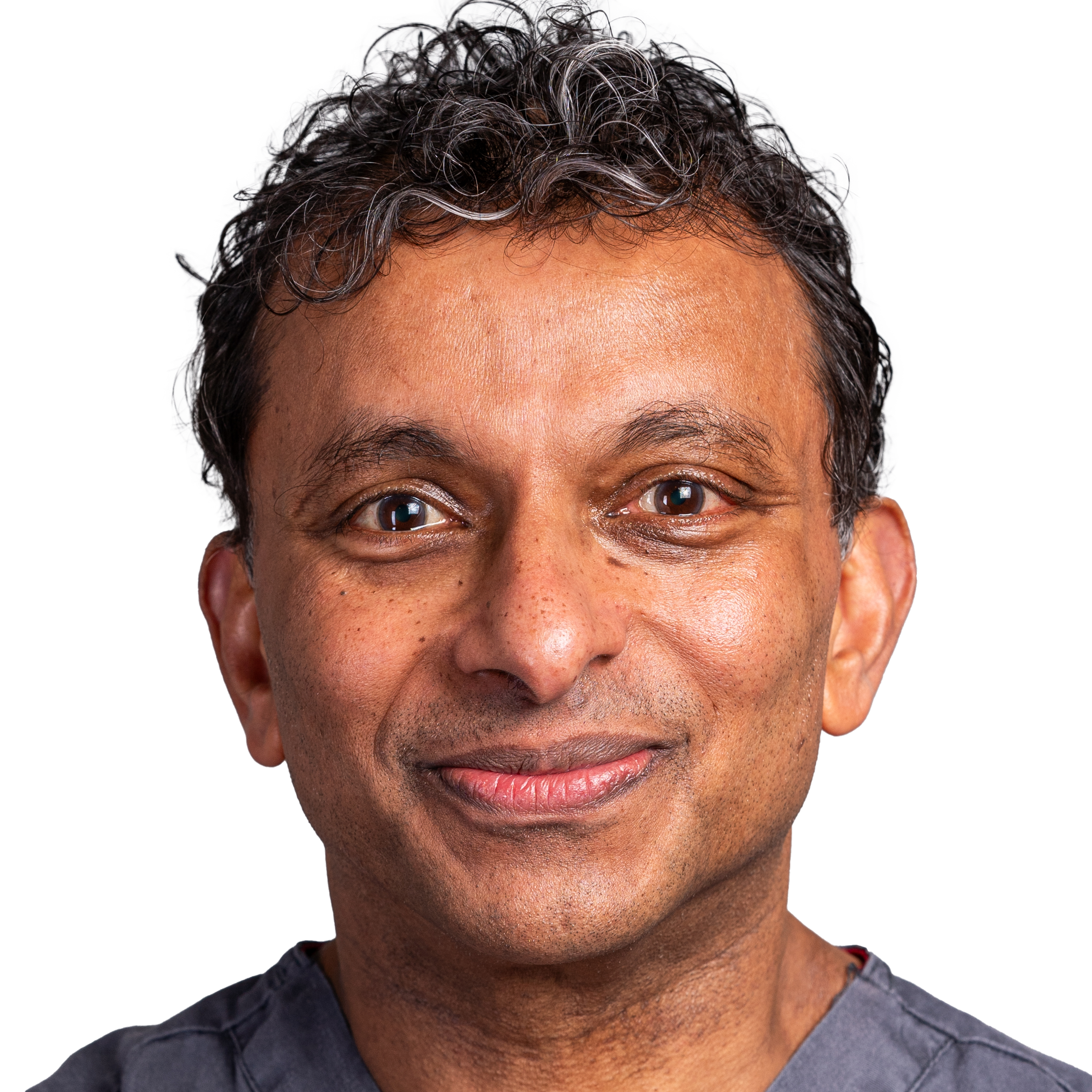


























Developing the next generation of medical specialists requires more than simply increasing training numbers, argues Professor David Sanders, president-elect of the British Society of Gastroenterology. He highlights the importance of giving doctors the time, support and opportunities they need to develop expertise, confidence and specialist skills, ensuring patients benefit from a highly skilled consultant workforce for decades to come.
One of the biggest questions facing medicine today is how we ensure that future consultants have the skills, confidence and expertise they need to provide outstanding patient care.
Across specialties, doctors are training in an increasingly demanding environment. Service pressures are high, patient needs are becoming more complex, and training opportunities can be difficult to secure. At the same time, reforms to postgraduate medical training have shortened the duration of specialty training in many areas, including gastroenterology. The challenge for all of us is clear: how do we create enough space within the system for doctors not simply to complete training, but to flourish within it?
‘We need a medical workforce strategy that recognises expertise does not happen by accident. It requires time, supervision, experience and opportunities to develop specialist interests.’
Research from Sheffield has provided an important insight into what can make a difference. A 2024 journal article by Raju SA, Bowker-Howell FJ, Aziz I, et al. examined the impact of out-of-programme clinical fellowships in gastroenterology and hepatology and found that these fellowships offer doctors valuable opportunities to develop advanced clinical skills, undertake research and build confidence before taking up consultant posts.
The findings are striking. Clinical fellows reported high levels of satisfaction with their experience and unanimously felt the programme had enhanced their clinical confidence and prepared them for consultant practice. The opportunity to develop a subspecialty interest, improve endoscopy skills and gain research experience were among the most commonly cited benefits.
Perhaps most importantly, the study highlights something many doctors already know instinctively: expertise requires deliberate investment. Whether that is gaining additional experience in endoscopy, developing leadership skills, conducting research, or acquiring specialist knowledge in a particular field, these opportunities help produce consultants who feel ready to take on the challenges of modern healthcare.
The lesson extends far beyond gastroenterology. Across medicine, we need to think carefully about how we support doctors as they move through training and into senior roles. Workforce planning cannot simply focus on increasing the number of training posts. Expansion is important, but quantity alone is not enough. We must also create pathways that allow doctors to deepen their skills, explore specialist interests and build confidence as clinicians.
This is particularly important at a time when the NHS faces significant workforce pressures. If we want to retain talented doctors and encourage them to build long-term careers in the UK, they need to feel they are progressing, developing and being supported to become the best doctors they can be. The Sheffield fellowship model demonstrates that this investment benefits not only resident doctors but also patients, hospitals and the wider health system. Clinical fellows contribute to service delivery while developing their own expertise, and many subsequently remain within the NHS workforce as consultants.
‘For me, the message is simple. The future of medicine depends on the next generation of doctors, but the next generation cannot thrive unless we give them the opportunities to grow.’
The RCP's next generation campaign rightly highlights the need for a postgraduate medical training system that works for today's doctors and tomorrow's patients. That means looking beyond minimum competencies and focusing on how we help doctors develop into confident specialists, clinical leaders, educators and researchers.
Our patients deserve doctors who have had the time and opportunity to become experts. The decisions we make now about training, workforce planning and career development will determine whether future generations of physicians are able to fulfil that promise.
If we are serious about building a sustainable NHS workforce, investing in the development of the next generation must be at the heart of our plans.
The evidence shows that when we do so, everyone benefits.
Read the full article What is the role of out of programme clinical fellowships in the era of Shape of Training? A single-centre cohort study in BMJ Open Gastroenterology.
Professor David Sanders
President-elect of the British Society of Gastroenterology