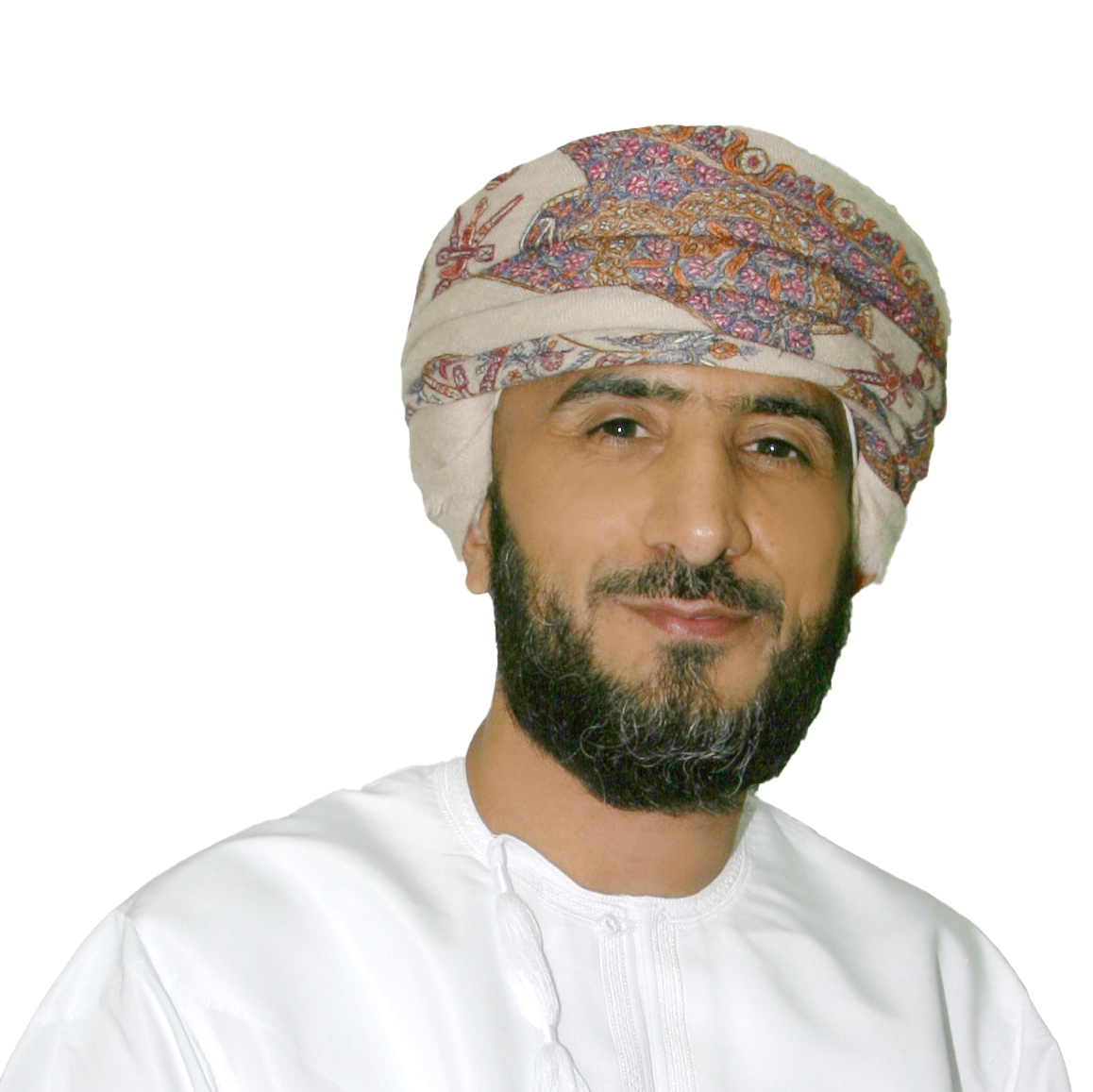

























Dr Seif Salem Al-Abri shares his experience of travelling to Dhaka, Bangladesh, as an external examiner on behalf of the RCP; from what he experienced in Bangladesh, to what he learned about the global mission of medical education.
A warm welcome to Dhaka: bridging worlds in medical education and culture
The symphony of rickshaw bells on a bustling Dhaka street, the rich aroma of spices in the air and a welcome so genuine that it felt like a homecoming. Long before I entered the examination halls on behalf of the RCP, Bangladesh began to teach me its first, most profound lesson – the power of human connection.
I had arrived in late July 2025, with a mission of quality assurance for the Fellowship of the College of Physicians and Surgeons (FCPS) final examination, but I quickly discovered that this would be a far richer journey – one of mutual learning, vibrant cultural immersion and hospitality that has left an indelible mark. My time in Bangladesh was so captivating, I’m already dreaming of a return visit for a holiday!
The scale and spirit of the FCPS examination
The FCPS final examination is a truly comprehensive assessment, encompassing written papers, objective structured clinical examinations (OSCEs), interactive oral examinations (IOEs) and extensive clinical components. My involvement spanned the OSCE, IOE, and the long and short clinical case examinations.
What struck me immediately was the sheer scale and meticulous coordination involved. Imagine 173 candidates being assessed across six exam halls, each featuring ten OSCE stations and five IOE stations. The logistical undertaking by the Bangladesh College of Physicians and Surgeons (BCPS) was nothing short of impressive. Witnessing this level of organisation for such a high-stakes exam was a masterclass in itself, offering valuable insights into managing complex educational events.
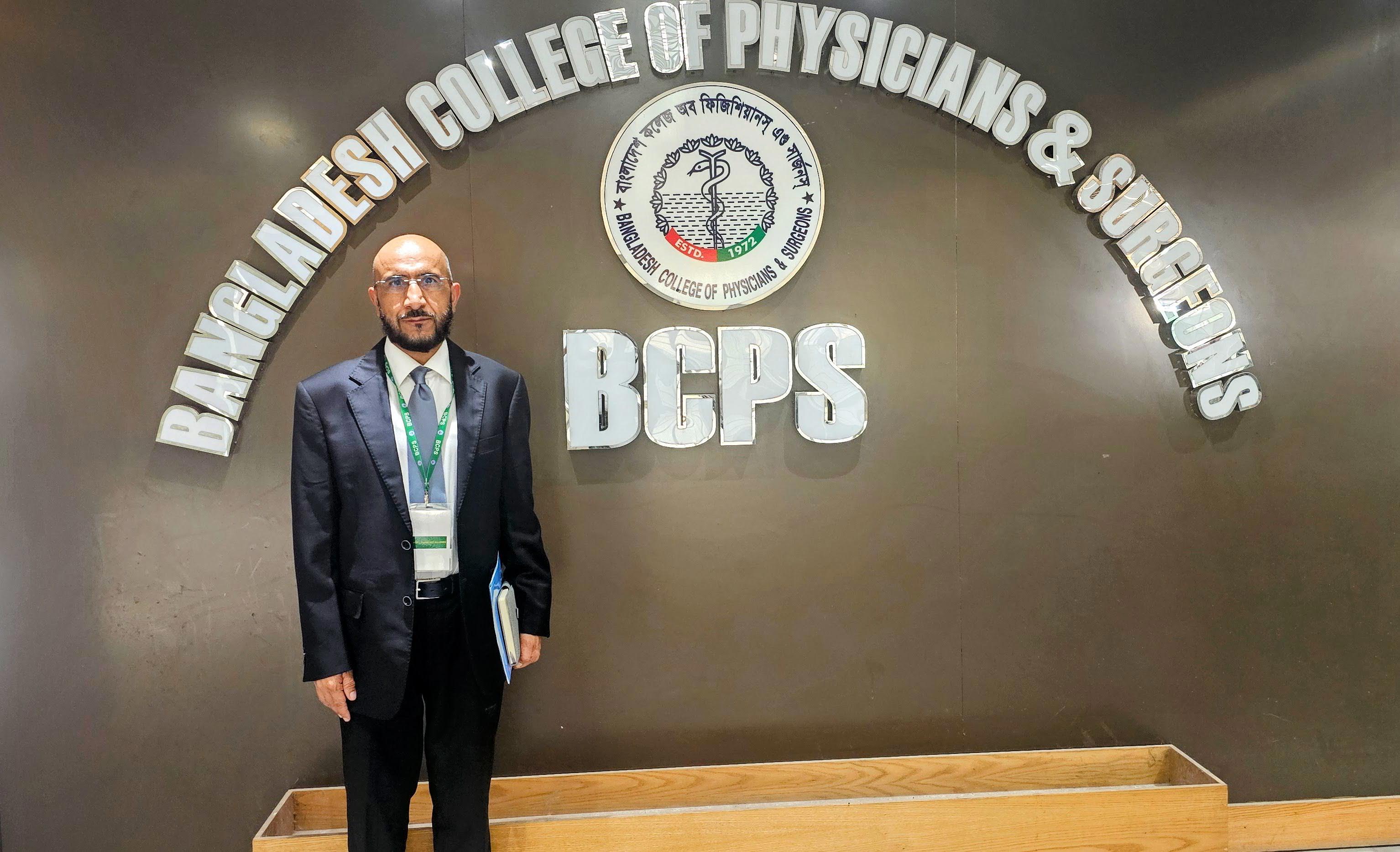
Seif at the BCPS
Discovering commendable practices: a two-way learning street
My time in Dhaka was overwhelmingly positive, marked by a profound sense of collaboration and dedication from my BCPS colleagues. I observed numerous practices that truly resonated with me, highlighting the significant strengths in their examination system and offering valuable insights for all involved in medical education:
- Heartfelt hospitality: From the moment I arrived, the BCPS staff and faculty extended an exceptional welcome. Their open communication and genuine cooperation made me feel truly valued and supported.
- Operational excellence: The administrative and logistical teams were incredibly efficient. Their punctuality, flexibility and seamless arrangements for travel, accommodation and in-country transportation ensured that everything ran like clockwork.
- Visionary leadership: I was particularly inspired by the open-minded and welcoming approach of the BCPS president, Professor Mohammod Shahidullah. His eagerness to explore opportunities for improving the examination process signals a strong foundation for future collaborative initiatives.
- Organisational prowess: The sheer effort invested in preparing and organising the OSCE, IOE and clinical examinations was palpable. The entire process was remarkably well conducted and coordinated.
- Rigour in assessment: Across all clinical exams, I observed a consistently rigorous assessment methodology, reflecting a serious commitment to evaluating candidates’ competencies.
- Smooth execution: The exams proceeded smoothly in all centres that I visited, a hallmark of detailed planning and execution by the BCPS.
- Rich clinical material: The availability of suitable clinical material was outstanding. Cases were thoughtfully selected, presenting relevant histories and physical findings.
Beyond the exam hall: a journey into Bangladesh’s soul
My visit was not confined to the exam halls; it was also a profound personal exploration of Bangladesh’s rich culture. I dedicated a full day to touring iconic places in Dhaka, immersing myself in the city’s vibrant pulse. Visiting the National Museum and the Military Museum was particularly mesmerising; I was deeply moved by the nation’s history and the pride with which its people recount their past.
To truly understand daily life, I ventured into rural areas, navigating charming villages using traditional rickshaws and ‘toktoks’. The welcome that I received was incredibly generous; villagers invited me into their homes, sharing glimpses of their daily routines. I witnessed firsthand the peaceful rhythm of life along the Ganges Delta, exploring picturesque riverside villages, lush guava gardens and unique floating timber markets. The natural beauty of the delta, where homes open directly onto the water, was truly captivating. And, of course, I thoroughly enjoyed the rich and diverse Bangladeshi curries and the aromatic masala tea, which became a delightful daily ritual.
Reflecting on opportunities: growing together
While my experience was largely positive, I also observed areas where further collaboration could lead to enhancements. These are not criticisms, but rather opportunities for shared growth.
- Enhancing the patient experience during exams: It is important to create environments that fully support patient comfort and privacy, a universal consideration in clinical assessment and a valuable area for shared learning.
- Reinforcing best practices in hand hygiene: Reinforcing the paramount importance of hand hygiene in clinical practice, and ensuring easy access to sanitisers, is a simple yet impactful area for collaborative focus.
- Optimising the examiner–candidate interaction: We can discuss optimal examiner roles and timing management to ensure a more consistent and supportive assessment environment for candidates.
- Encouraging deeper clinical reasoning: We can encourage examiners to delve deeper into candidates’ critical thinking; moving beyond textbook recall, to explore how they formulate management plans relevant to local contexts.
- Improving the clarity of assessment forms: We can optimise the clarity of the comprehensive assessment forms to enhance their transparency and consistency.
These observations are not unique to Bangladesh; they are part of the continuous improvement journey that we all share in medical education.
What was truly remarkable, however, was the spirit in which these reflections were received. In my final debriefing with the BCPS leadership, Professor Mohammod Shahidullah leant forward and said; ‘We are really interested in hearing your feedback for how we can do better.’
That simple, powerful statement wasn’t just a courtesy; it was an open invitation to partnership. It transformed feedback into a shared mission for excellence, which I found incredibly encouraging and inspiring.

Seif enjoying a drink in Dhaka, Bangladesh
The power of partnership: looking ahead
My visit to the BCPS as an external examiner, on behalf of the RCP, was an invaluable and deeply rewarding experience. It provided a unique opportunity to observe their rigorous examination processes and identify areas where the RCP’s expertise can contribute to further enhancing their medical education standards. The collaborative spirit, warm hospitality and remarkable openness to improvement demonstrated by the BCPS leadership and staff are truly inspiring.
This mission has reinforced the profound truth that we can learn from each other. The strengths observed in the BCPS’s organisational capacity and dedication to assessment are commendable, while the identified areas for improvement present clear pathways for a fruitful partnership. I am confident that, by jointly addressing these recommendations, the BCPS can further elevate the standard of its FCPS final examination, reinforcing its position as a leading institution for postgraduate medical training in the region.
This collaboration will undoubtedly strengthen international ties, foster a shared commitment to excellence in medical education and, ultimately, benefit patient care globally. I eagerly look forward to the continued dialogue and potential for future joint initiatives, and extend my sincere gratitude to both the RCP and the BCPS for this exceptional opportunity.
The genuine welcome that I received in Dhaka was more than just hospitality; it was a reflection of a shared purpose and a powerful lesson in cultural humility. It reminded me that, while our resources and systems may differ across the globe, the fundamental standards that we strive for are universal. Our core mission is identical: to serve our communities with excellence and to uphold the highest standards for the good of our patients. This universal commitment is the true heart of our global medical community.
Dr Seif Salem Al-Abri
International adviser – Oman