























The RCP's core mission is to drive improvements in health and healthcare through advocacy, education and research.
We are an independent patient centred and clinically led organisation, that drives improvement in the diagnosis of disease, the care of individual patients and the health of the whole population both in the UK and across the globe.
Our strategy
The RCP has always been the home of physicians. A place that connects us, supports us and represents the values we share.

This new strategy sets our direction for the years ahead. It describes what we will focus on, how we will work together and how we will measure the difference we make. Most importantly, it reflects what our members, both in the UK and internationally, have told us that they need from their college.
Physicians today are practising in an increasingly unpredictable and fast-moving world. Across the UK and globally, our members care for patients with more complex needs, lead more diverse teams and navigate systems under immense strain.
We are proud of the impact that physicians have locally, nationally and internationally.
Find out moreOur role globally
The RCP has a truly global network, with our members based in over 80 countries worldwide. Our work spans high-, middle- and low-income countries, ranging from accreditation work and guideline development in the Middle East to clinical skills workshops in rural Nigeria.
We develop and coordinate globally-recognised exams, and deliver a wide range of projects aimed at strengthening health systems and improving medical standards across the globe.
Our global work
Our history
Discover the story of the RCP and its role in the development of medical practice over five centuries.
Founded in 1518 by a Royal Charter from King Henry VIII, the Royal College of Physicians of London is the oldest medical college in England, often playing a pivotal role in raising standards and shaping public health.
1500s
The Royal College of Physicians is founded by Thomas Linacre, Henry VIII's physician.
Find out more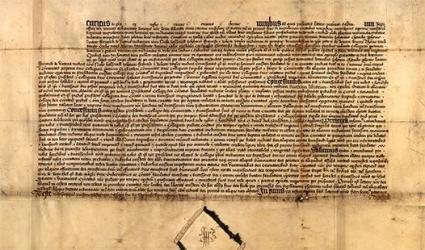
1600s
The 1600s brought new homes and groundbreaking discoveries for the RCP, which had to survive plague, burglary and the Great Fire of London!
Find out more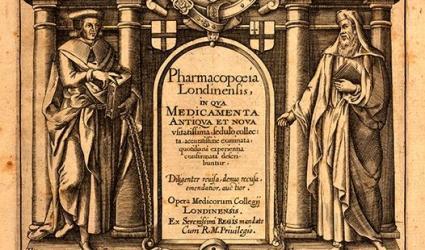
1700s
A changing of the times means the RCP has to evolve throughout the Enlightenment period.
Find out more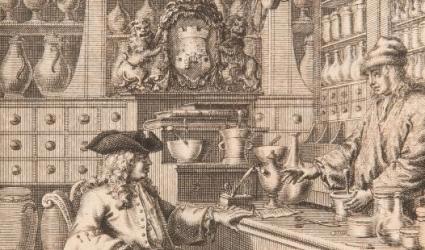
1800s
One step forward and two steps back for RCP, as the College publishes the definitive classification of diseases, but moves to exclude women.
Find out more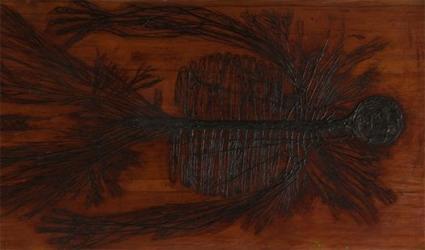
1900s
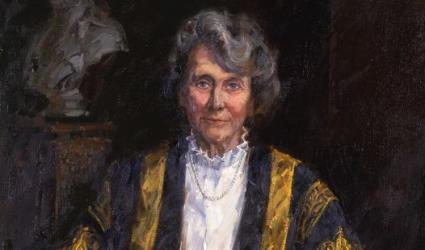
The RCP survives two world wars to move into the modern era, helping to shape the new National Health Service and publishing a groundbreaking report on the dangers of smoking. At the beginning of the century women are allowed to be licensed for the first time, and in 1989 the College appoints its first female president, Dame Margaret Turner-Warwick.
Find out more