
























The Turner-Warwick lecturer award celebrates excellence in clinical research, medical education and quality improvement – and offers resident doctors a unique opportunity to present their research at the RCP’s Update in medicine conferences.
As the award scheme reaches its fifth year, Commentary spoke to the 2025–2026 lecturers about their work, upcoming lecture and what the opportunity means for them. You can view all the lectures on the RCP player.
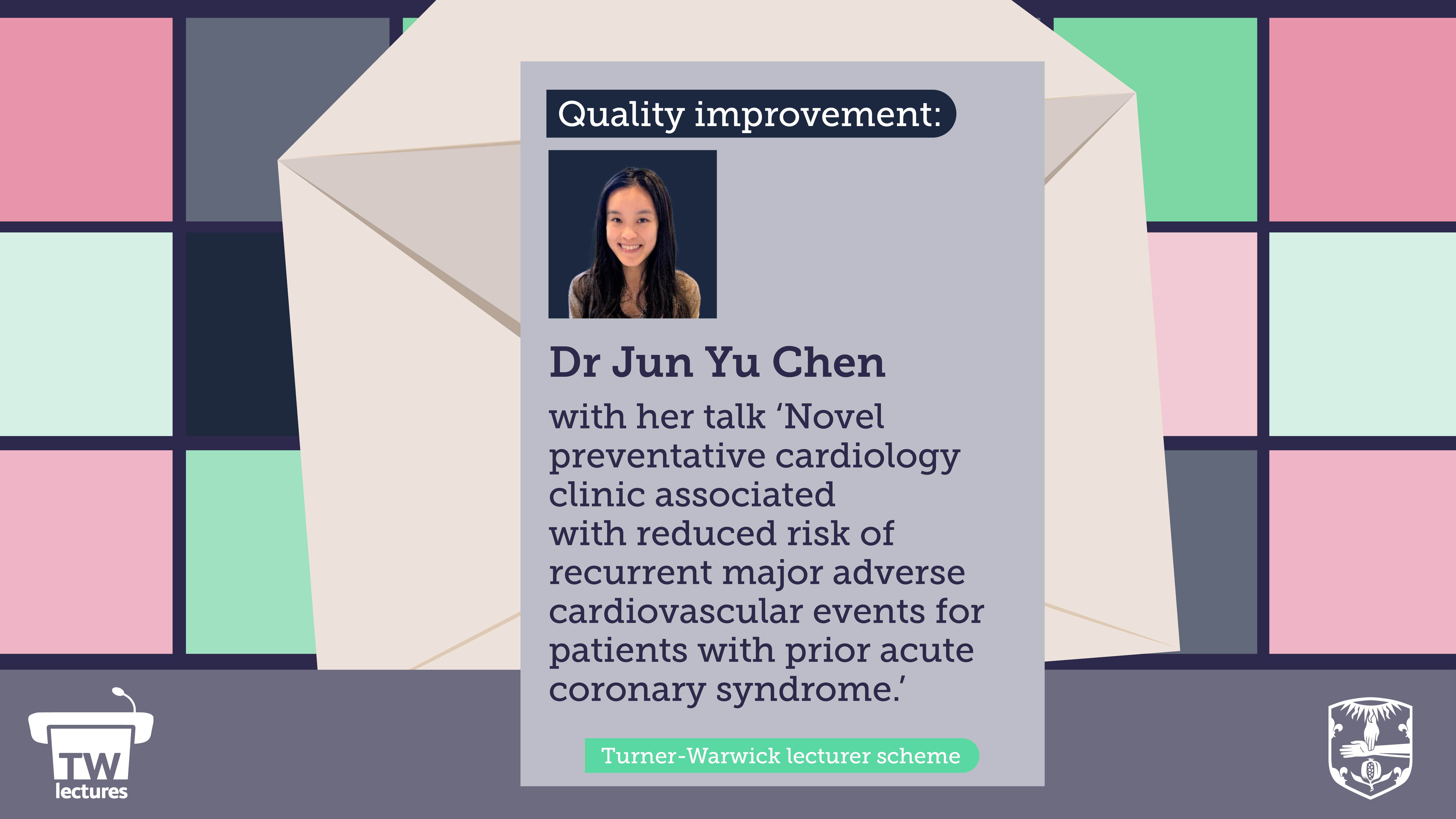
- Quality improvement: Dr Jun Yu Chen is an academic clinical fellow in internal medicine and cardiology in Birmingham. Her lecture, Novel preventive cardiology clinic associated with reduced risk of recurrent major adverse cardiovascular events for patients with prior acute coronary syndrome, will be presented at the Update in Medicine – Birmingham in February 2026.
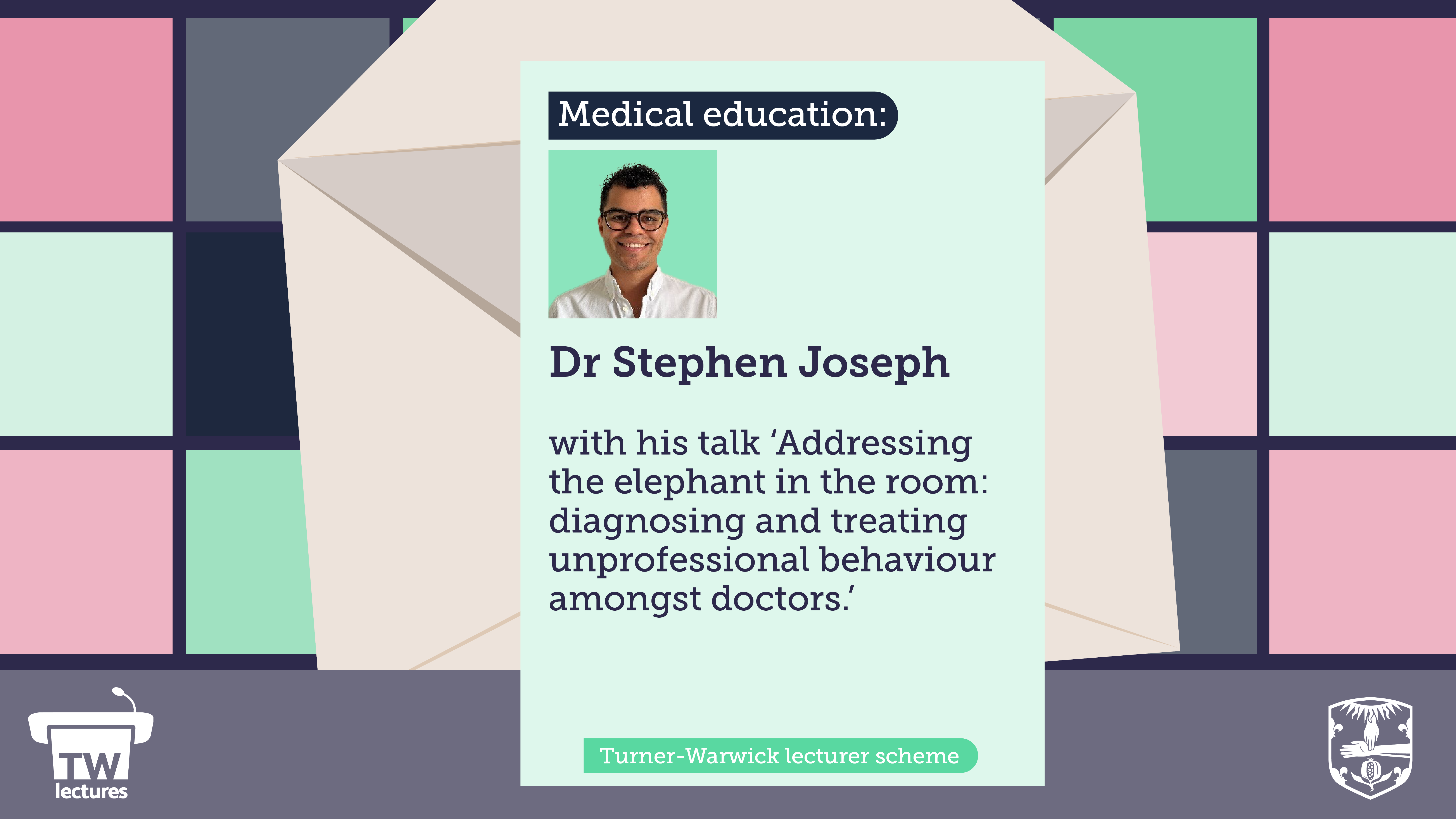
- Medical education: Dr Stephen Joseph is a ST5 respiratory medicine in East London and Resident Doctor Committee co-chair. He will be presenting Addressing the elephant in the room: diagnosing and treating unprofessional behaviour amongst doctors at the Update in medicine – London in March 2026.
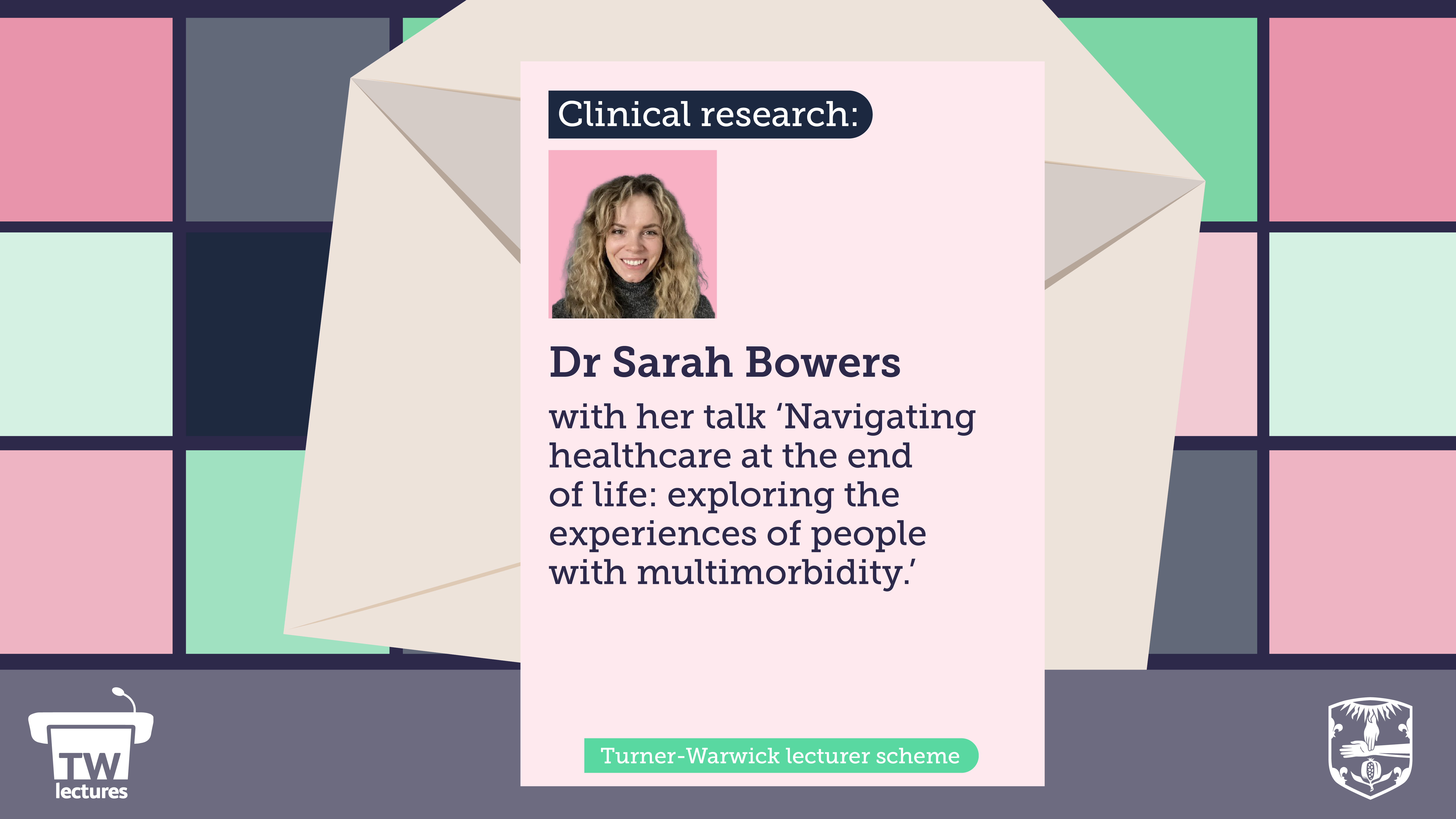
- Clinical research: Dr Sarah Bowers is a palliative medicine and internal medicine resident doctor based in central Scotland. She will present her talk, Navigating healthcare at the end of life: exploring the experiences of people with multimorbidity, at an upcoming Update in medicine.
Could you tell me a bit about your career and clinical background?
Jun Yu: I’m a clinical doctor in Birmingham who went to school in Northern Ireland, then university in Glasgow. During medical school, I did a degree in cardiovascular studies. That’s when my interest in research came about. After graduating, I went to London and did the academic foundation programme, so I had more time to do research on cardiology and some on genetics.
I’m in Birmingham now, on a cardiology training programme where part of my time gets dedicated to research. So that is how I became involved in the prevention clinic and how I am able to continue to be involved in research in Birmingham.
Stephen: I am about 10 years into working now, so coming towards the end of training – I’ve got 2 years left to go. I currently work as a registrar in respiratory medicine and internal medicine in London. I’ve been mostly here since I graduated from medical school. I found out about the Turner-Warwick scheme through the RCP newsletters and thought it’d be really interesting to apply for. I recently finished my master’s in medical education and had this weird feeling of ‘what comes next?’. It was quite exciting for me to see that there was a medical education category; often when it comes to award schemes, they often focus on more traditional scientific research. It was quite encouraging to see that there was something else out there.
Sarah: I’d had a taste of research through a couple of widening participation schemes at university; we got exposure to different careers, including a research and laboratory-based setting. I found it such an interesting way to approach medicine.
I did an intercalated degree in cancer studies, but realised that I really liked palliative medicine and the holistic aspect that it gives patient care. I always wanted to do research, and had applied to a few fellowships, when someone sent me a PhD opportunity in multimorbidity – which I’d never really thought about, but was core to palliative care. I realised that it was a new avenue to explore and a good niche for me to develop. I liked that the PhD gave me exposure to multiple methodologies; I’ve done big data research and really in-depth qualitative studies as well. A core part of it was patient and public involvement, which I’m really passionate about.
Towards the end of the PhD, the Association for Palliative Medicine sent round the Turner-Warwick scheme. I admit that I wasn’t a member of the RCP – but I was going back into training, so I joined and applied for the scheme. It’s great that there are opportunities for people to find out about the RCP’s work, because the Turner-Warwick scheme was something I had never heard of before. I’m a Scottish resident doctor, so I probably wouldn’t have automatically looked at the RCP as my natural college. But it’s opened up my network, with the opportunity to not only speak to people within Scotland but also elsewhere in the UK. These opportunities do exist for people throughout the UK, not just in England.
What is your upcoming Turner-Warwick lecture about?
Jun Yu: My lecture is on my recent research as part of my academic clinical fellowship, looking at a prevention clinic. Prevention cardiology isn’t a huge subspecialty in the UK; it’s bigger in the USA. Essentially, it looks at trying to prevent new or further cardiovascular disease. Usually, patients who have had heart attacks are followed up in clinic, but we implemented a new prevention clinic, specifically focused on optimising medications and lifestyle advice – including diet, exercise and smoking. It provided an opportunity for counselling about their lifestyle and how to take the initiative in looking after themselves.
We compared how many prevention clinic patients had cardiovascular events vs how many in the standard clinic. We found that prevention clinic attendance was associated with a 48% reduction in cardiovascular events. My lecture will be presenting these results and explaining the future implications for this research.
I’ll be presenting at the Birmingham Update in medicine in February, which will be nice as I've been based here and the research was conducted with the Queen Elizabeth Hospital Birmingham.
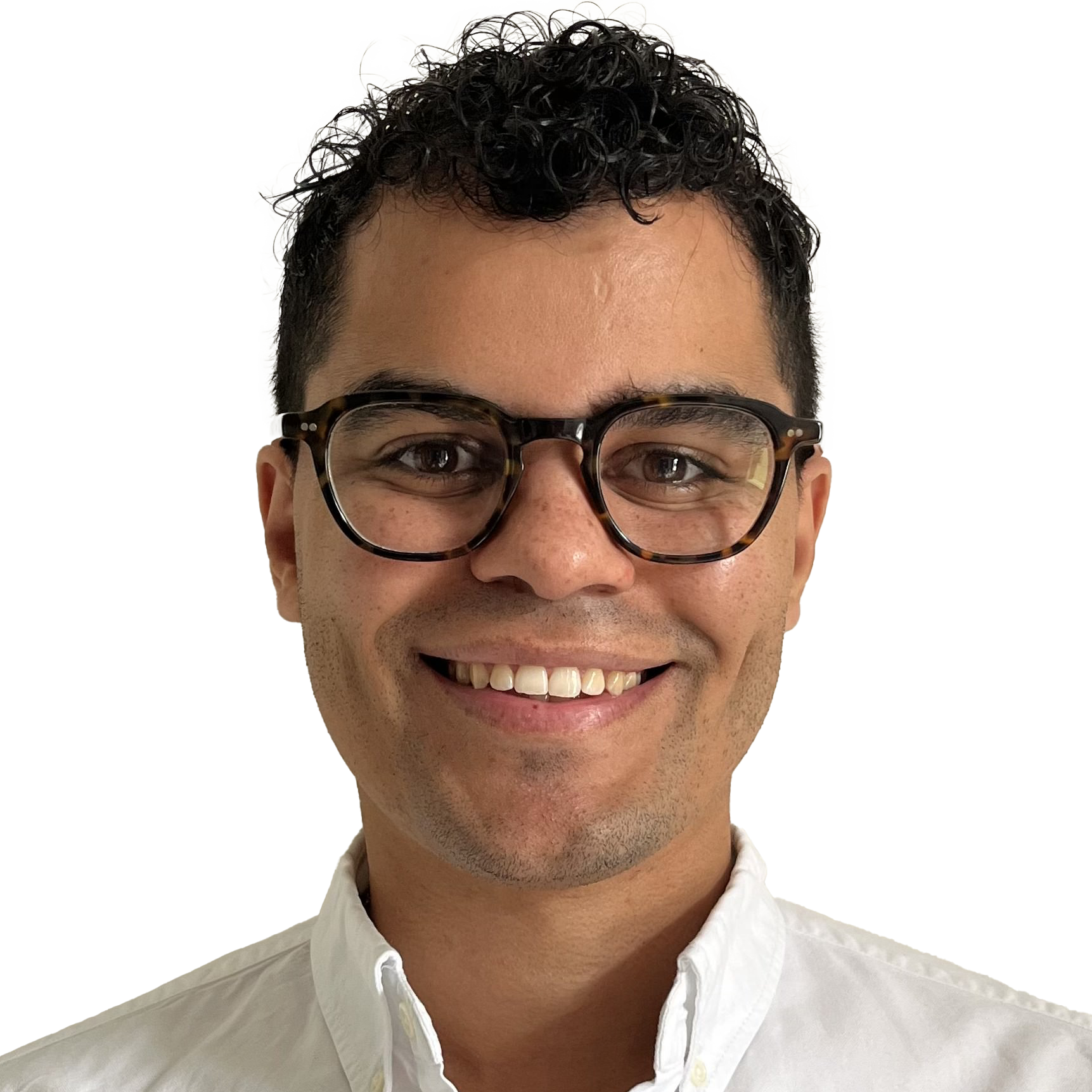
Stephen: My lecture builds on my master’s research; I did an 18-month project looking at unprofessional behaviour among doctors.
I’d spent time working at strange hours, seeing people [with strange behaviour] and I’d read an article which really stuck with me; US resident doctors were surveyed and could easily identify unprofessional behaviours on a list. But then quite a sizeable percentage – the majority – said yes to having done several of those behaviours. My project used qualitative research – phenomenography – to look into why people do unprofessional things, even when they know that it’s the wrong thing to.
My lecture looks at the factors that affect whether doctors behave professionally or not; some purely to do with personality, through to the wider healthcare system. I’ve pulled in strands from social sciences to figure out what happens, from a cognitive standpoint, when someone does something unprofessional; is it an instinctual reaction or something they thought through? Does it make sense to have professionalism focused on the individual, or are there other things that need to be addressed? In my interviews, people witnessed unprofessional actions in the hospital at night, often in quite high-stress environments. I’m not excusing bad behaviour, but if you focus purely on individuals, then you might ignore other, equally important factors.
When we teach professionalism, we often just focus on what the GMC says. The literature suggests that doctors fully know what the GMC says – the issue is that sometimes they don’t go along with it.
Sarah: My research is about how people with multiple health conditions use healthcare services towards the end of life. As a palliative medicine resident doctor, I realised that so much of that care isn’t just the remit of specialist palliative care. My research highlighted that people are accessing healthcare in a really disorganised, chaotic, unscheduled way; there’s a real opportunity to learn and think about where we all fit in that puzzle.
The RCP covers several medical specialties and holds events throughout the UK, highlighting different research from all sorts of medical specialties, which is great. There has also been really great support within the RCP to take that next step; not just sharing research locally or within my specialty, but translating my research so that it’s accessible and of interest across medical specialties.
What led you to apply to the scheme?
Jun Yu: To be honest, I hadn’t heard of it before receiving an email from the hospital and I thought that it sounded like a good opportunity. Firstly, it helps get the research out there – which we’re trying to do, because it’s a good project to roll out. Secondly, I thought personally that it was a good opportunity to try applying for something. I did not think that I would get it at all – I just wanted to see what might come of it.
Stephen: When you finish a master’s in medical education, there’s not a direct career pathway afterwards. There aren’t huge groups of medical education researchers that are looking for resident doctors to get involved in clinical lectureships or research collaborations. Within medical education, we’re a lot less evidence based than the rest of medicine; to a certain extent, we all just assume that things should be done how we were taught. But there is scope for things to evolve. So, an opportunity to have a conversation with a large group about my work was really encouraging. The main incentive was to have dialogue with other professionals about my findings and their thoughts.
Sarah: I wanted the lecture to be an opportunity for my research to be more widely disseminated. I’ve been fortunate and had the chance to discuss it at a few palliative care conferences; but I wanted to get the message across that actually providing palliative care to people with multiple different illnesses is the work of various specialties – not just specialist palliative medicine. I think the RCP is a brilliant forum for that, and the support to get that up and running has been fantastic.
How do you feel about being selected? Has it given you any new opportunities so far?
Jun Yu: Very honoured and very grateful to the RCP. It is a huge opportunity; probably one of the biggest I’ve had in my academic career so far. I didn’t realise the amount of opportunities that would come out of it. It’s exciting because I haven’t presented such a long lecture before, and we get constructive feedback as well. It’s one thing presenting, but to know how to improve before the actual conference is really exciting.

'In my wider circle, it’s helped my supervisor and his team with the project because it brings it out into the open. More people will know about the prevention clinic work; we’re hoping to be able to roll similar projects out at more hospitals, at a larger scale.'
Dr Jun Yu Chen
2026 Turner-Warwick lecturer
The Turner-Warwick lecture will help recognise that it’s an important project and hopefully bring about more understanding. If more prevention clinics are put in place, then more patients can benefit in the future.
Stephen: I felt very honoured and quite surprised – I wasn’t really expecting it. I’m very excited about the prospect of being involved. I’ve had a few consultants who I’ve worked with previously reach out to congratulate me and say they’re looking forward to hearing the lecture, which has been really encouraging. The prospect of doing a full lecture is exciting, but it’s also something I’ve never really done before, so a little nerve-wracking at the same time.
Sarah: I feel absolutely honoured. It feels a bit surreal and I definitely have imposter syndrome, but the team have been really supportive and encouraging. The RCP team has been helping to nurture and develop the talk.

'Just having the title of being a Turner-Warwick lecturer has already sparked a few conversations with people; it’s given me real opportunities to just informally chat about my research, and have it shared on social media.'
Dr Sarah Bowers
2026 Turner-Warwick lecturer
What are you looking forward to about being a 2025–26 Turner-Warwick lecturer?
Jun Yu: I’m looking forward to meeting people at the conference. While I won’t necessarily see the other Turner-Warwick lecturers at their respective RCP Updates in medicine, it’s been really nice to talk via email and feel like we’re in it together. It will be really interesting to hear about their projects as well, whether online or in person. Then just having this new connection with the RCP is good too and very beneficial.
Stephen: I’m looking forward to having a chat about professionalism within medicine. It’s something which is a bit taboo – we focus on big, egregious stories in the news, but I think low-level unprofessionalism is more corrosive at times, because it’s so pervasive.

'I’ll also hopefully raise the profile of academic medical education; there’s a lot of focus on teaching, but it goes a lot further. There are a lot of questions which, as physicians, we don’t tend to ask because they’re not easily solvable with our normal statistical methods; if we could use a different way of thinking about the world, then we might find out a lot more about it.'
Dr Stephen Joseph
2026 Turner-Warwick lecturer
I’m really glad the scheme exists, and the way that it’s tied to a regional Update in medicine is definitely a strength. Often there is a risk with national bodies becoming too London-centric; the fact that this scheme is happening around the country is a really good thing.
Sarah: Meeting other Turner-Warwick lecturers over email and getting to hear about the work that they’re doing really showcases what good work resident doctors are doing in medicine, even when things are really tough. It’s an amazing opportunity. It definitely gives me the chance to expand my wider network and to challenge myself. As much as it’s exciting, it is a bit daunting – but it’s good to do scary things and to push yourself.
Join us at an RCP Update in medicine conference in 2026 to see our Turner-Warwick lecturers in person.
If you are unable to attend, our Turner-Warwick lecturers will deliver a digital lecture for RCP Player which is avaliable online.
The Turner-Warwick scheme will reopen for applications in 2027 – register your interest and be the first to hear when it’s open for submissions.
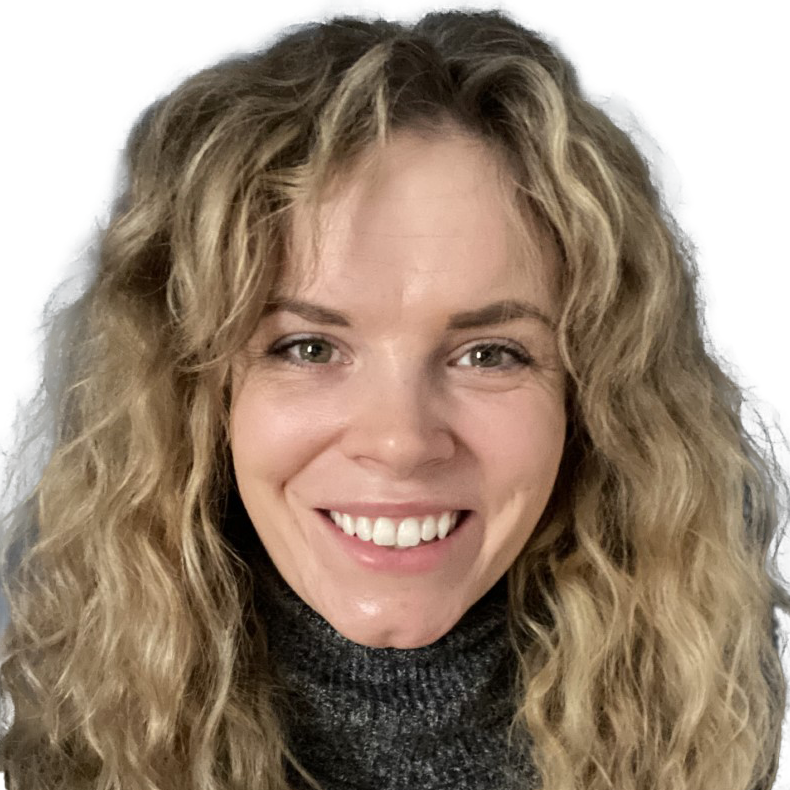
Dr Sarah Bowers
Turner-Warwick lecturer in clinical research
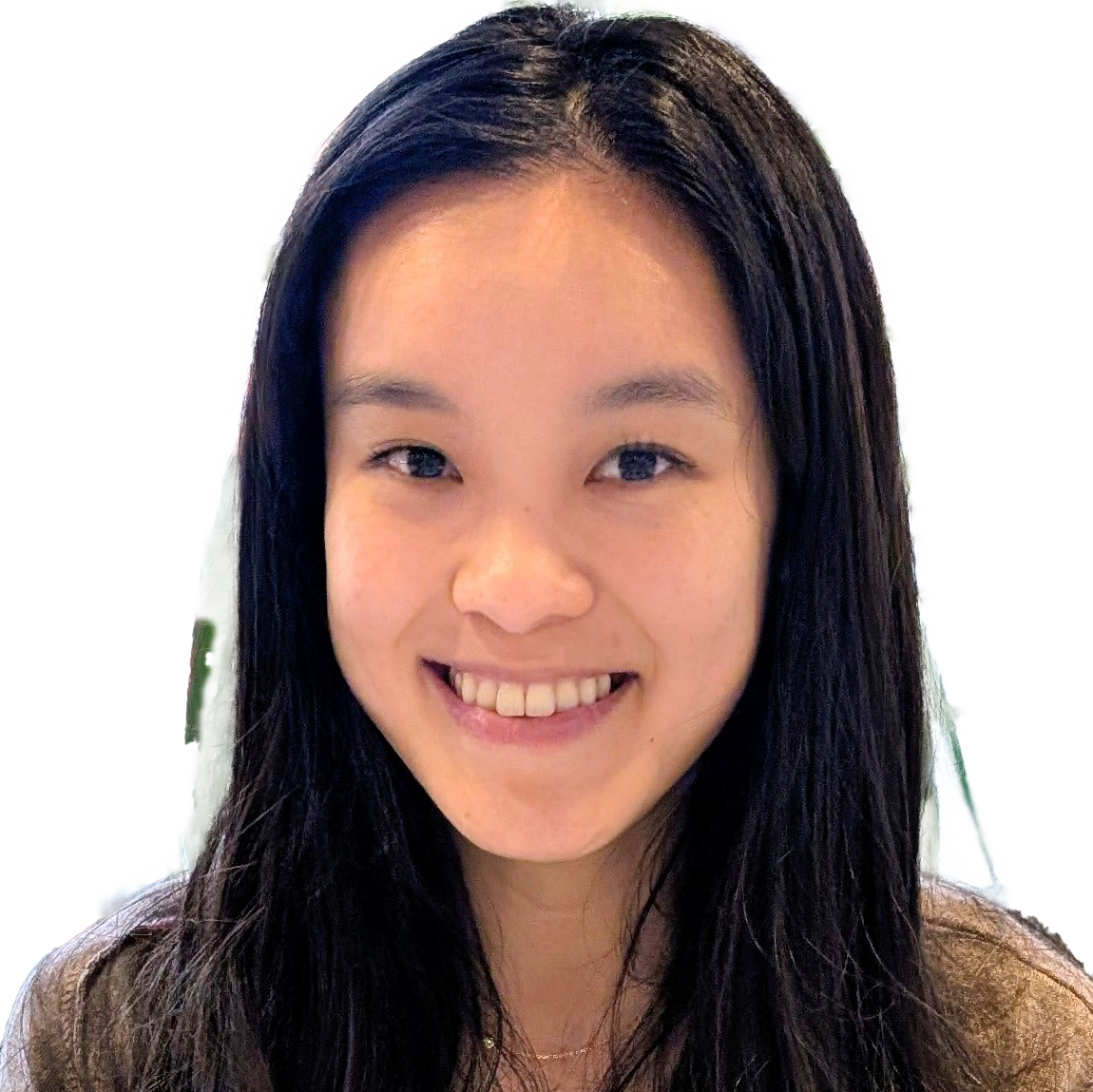
Dr Jun Yu Chen
Turner-Warwick lecturer in quality improvement
Dr Stephen Joseph
Turner-Warwick lecturer in medical education