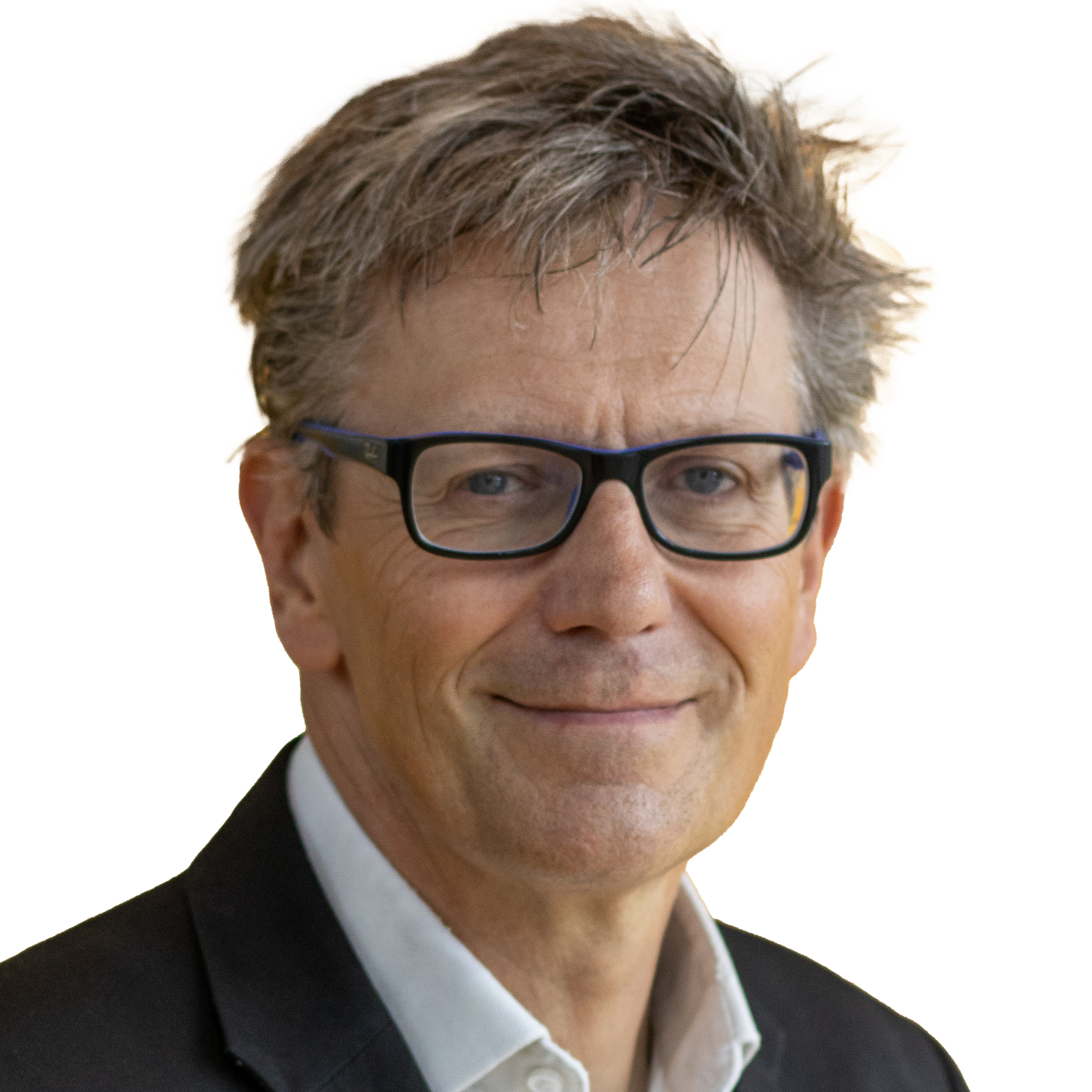

























The RCP aims to deliver impactful education that equips doctors to lead, grow and thrive at every stage of their career. Commentary speaks to Dr Alex Crowe, a consultant nephrologist in Liverpool, NHSE Responsible Officer appraiser and RCP censor who has contributed to several RCP courses, and Philip Welsby, RCP joint head of education and delivery. They share the exciting RCP courses that they have worked on, and Alex discusses why effective medical education is so vital to physicians throughout their whole career.
We have delivered 'The role of the clinical director workshop' nine times and 181 people have attended.
Why are you interested in medical education?
Alex: So much of medical education is about understanding that our consultants and resident doctors are such important future contributors to healthcare. Therefore, we need to support and look after them. It’s really important that we create robust, comprehensive medical education at all levels of clinical leadership for them; and the RCP is an organisation that is interested in maintaining and developing national and international standards for professional development. Current RCP workshops are opportunities for teaching and training to maintain consistent high quality healthcare and rigour across the country and internationally.
It is also important to be cognisant that people have different lenses of interpretation of healthcare, depending on their cultural background, eg age, sex – this is an opportunity to allow cross-fertilisation of knowledge, enriching the content of learning and education. Being able to meet delegates in different specialties, across the country you get an idea of what different people are up to, and it keeps your creative thinking broad. As a doctor, that’s really important so that you don’t get stuck in a rut; as well as helping others, teaching also helps me.

'We are lucky to have got so many people in the NHS who are so clever, able and skilful. To give them an opportunity to share their experiences and knowledge with people is amazing.'
Dr Alex Crowe
RCP censor
It’s the anecdotal knowledge and shared experiences that always seems to stick and prove so useful – and training gives delegates a chance to ask questions about little, thorny issues; circumstances like difficult conversations, revalidation or job planning. There is always someone who has been there and done it and can give you a useful answer.
All of this activity should connect with patient safety and experience. If individuals within the healthcare system are well trained and educated – lifelong learning – that helps us to look after our patients, respect their perspective and support shared decision making. A common golden thread links education and learning of professional standards and leadership with how we look after our patients.

Could you tell me a bit about the programmes that the RCP offers and the needs for physicians that they address?
Alex: The educators themselves are very wise, influential and engaging with their teaching. It works really well for the delegates with the synergy of clinicians and educators working together. The RCP identifies speakers with experience and wisdom on the subjects that they’re talking about, which helps to provide a two-way, question and answer, information sharing presentation with the delegates.
Then there is the pertinent subject matter included within the workshop programmes, which help and support professional development throughout one’s career – either as a resident doctor or as a consultant – they all provide intuitive, relevant support. The topics chosen by the RCP can be very useful to a doctor at any stage of their career and the workshops available are designed to complement each other.
Tell me about the programmes you have worked on.
Alex: I’m currently a clinical facilitator, but more recently I’ve taken on the role of helping with content development – particularly for ‘The role of a clinical director’ workshop, Quality improvement for consultants and the Aspiring medical director programme.
I help with developing the slides, activities and supporting information for those particular courses, and also identifying high impact speakers who contribute to that structure.
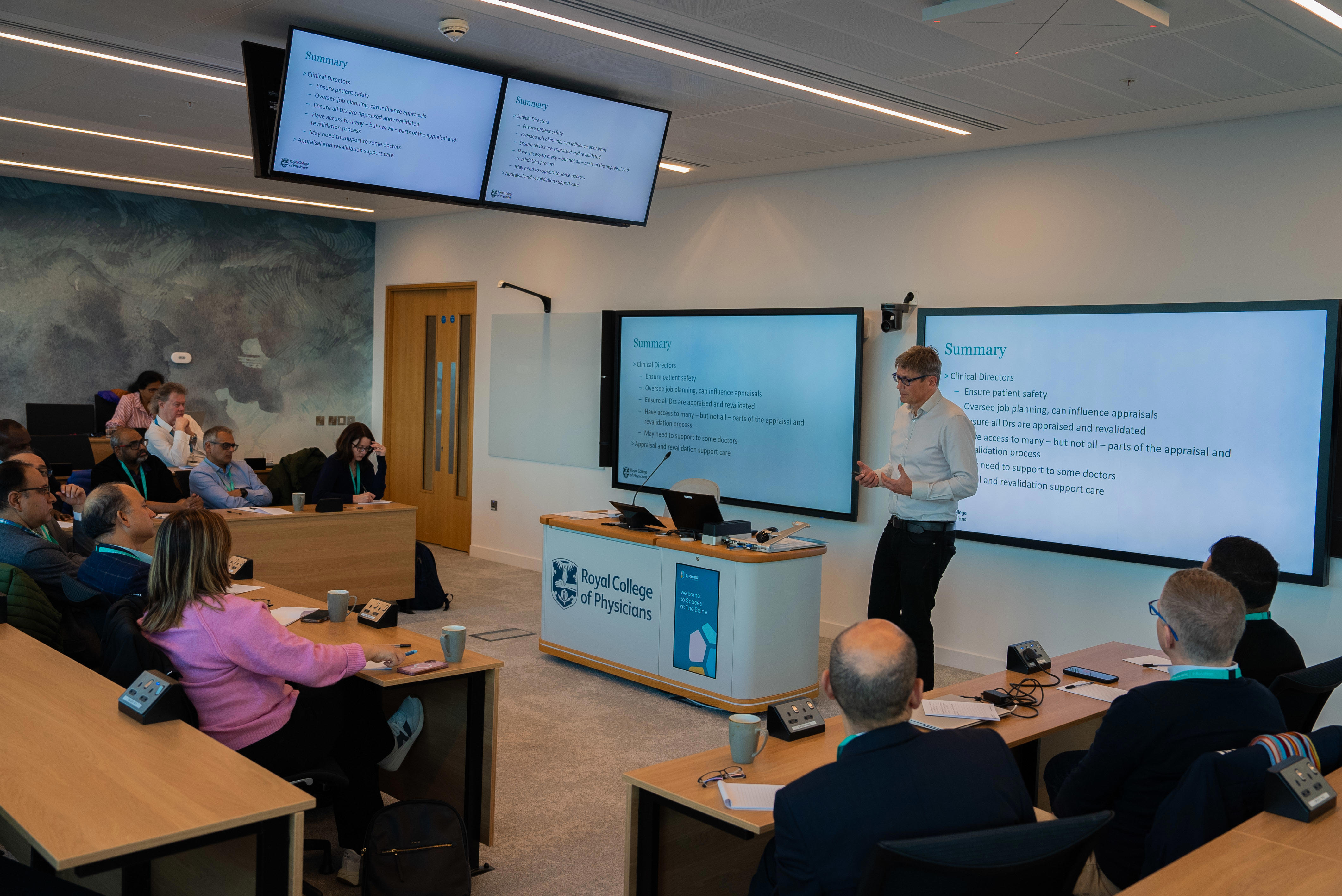
Philip: Alex and I have worked together on the delivery and ongoing development of ‘The role of a clinical director’ workshop. It is designed for newly appointed clinical directors (CD) or senior clinicians aspiring to the role, and offers them practical tools and knowledge needed to excel in this demanding role within the NHS. The topics covered in the workshop include appraisal, revalidation and professional standards; job planning; clinical governance and risk management; responding to acute clinical service pressures; professional development and wellbeing; and writing a short business case.
As Alex mentioned, we have the pleasure of working alongside expert colleagues in the delivery of the workshop, which offers us the opportunity to support the development of delegates from a wide range of specialties, empowering them to lead clinical services confidently and competently in their organisations.
Alex: I became involved with the CD workshop because, when I started as a CD, I noticed how important it is to hit the ground running. The NHS requires match fit clinical leaders; not ones who are learning fundamental skills on the job; understanding their roles and leading from the outset.
It’s the same with the Aspiring Medical Director programme; when you go into a significant executive role, there are things that you need to know about from the outset– these are things that no one really understands until you’ve actually done it and such experiences can be pre-emptively highlighted by highly qualified and experienced speakers.
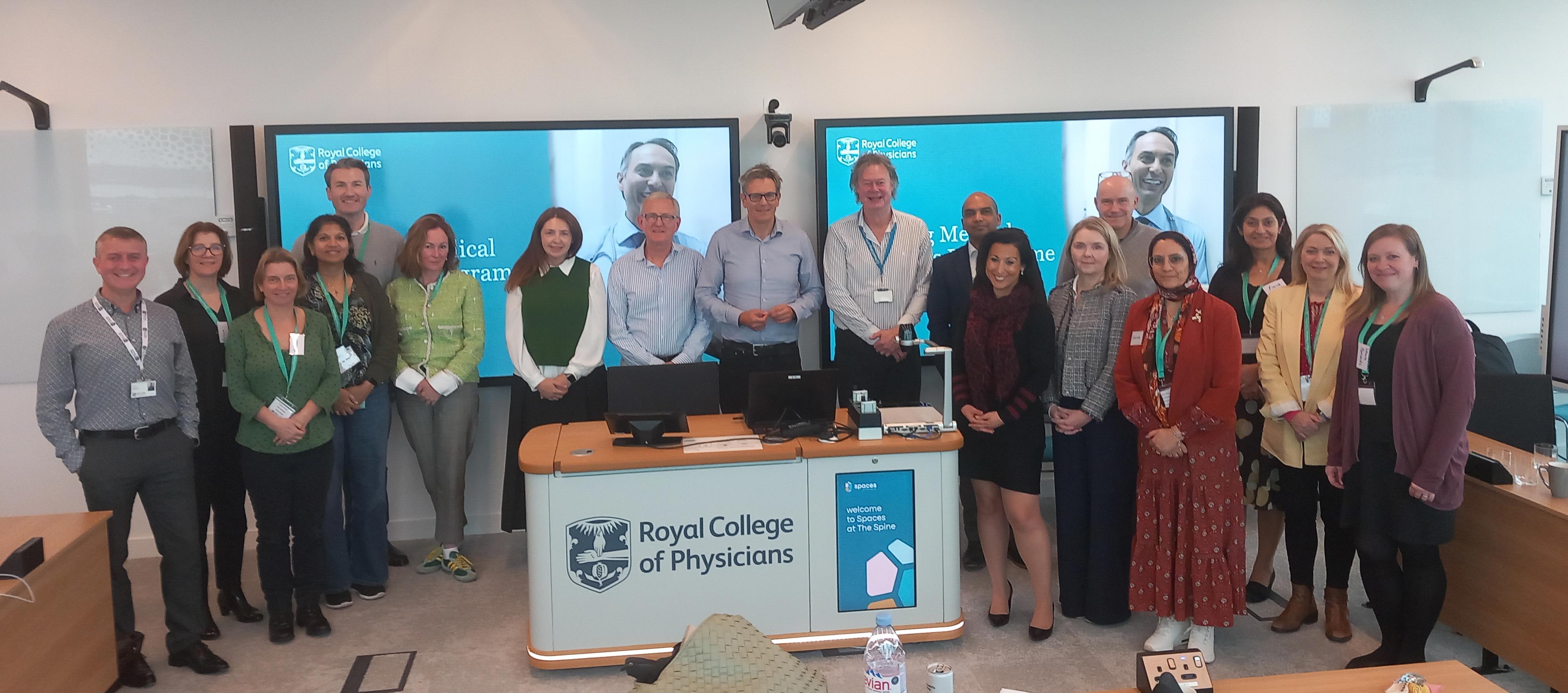
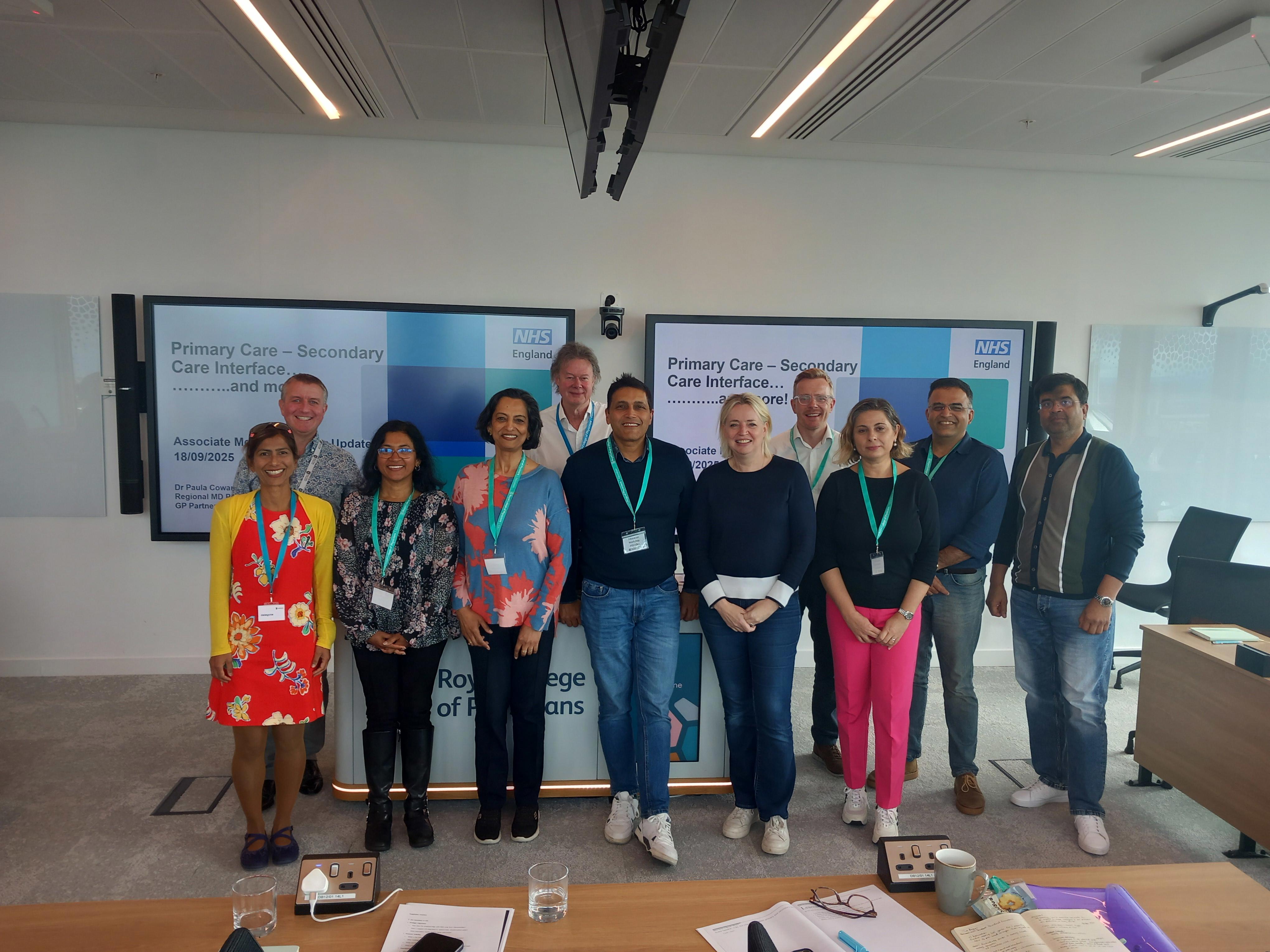
Aspiring medical director cohort at The Spine, Liverpool
Philip: I have worked closely with Alex and other colleagues on the development of the Aspiring medical director programme from its initial conception a couple of years ago, to having the pleasure of welcoming the second cohort of delegates to The Spine in Liverpool in October 2025. We had realised that there were some key components of a medical director’s (MD) role that aspiring MDs should know and designed the programme to have a unique practical focus, with the aim of helping delegates to develop the skills and knowledge required to manage the real-world issues encountered working at executive level in the NHS.
The programme covers a wide range of topics including the MD role and responsibilities; function of trust board; leadership styles; principles of equality, diversity and inclusion; effective communications and media training; management of serious incidents; development of professional relationships and an effective team; having difficult conversations; the Responsible Officer; culture of disclosure; challenging unacceptable behaviour; creation of an inclusive workplace; preparing for interview; effective succession planning; preparation and presentation of a short business case and transformation projects. Similar to the CD workshop, delegates learn from a wide range of experts from the NHS and related organisations.
Alex: Both of these workshops have been highly influential. People can immediately use the information and skills as clinical leads, clinical and medical directors. I know what it is like to be learning on the job and it can be a bit haphazard. If you provide people with a little bit of information first, then they can function within an organisation very well and also learn at a quicker rate, as they’ll know what they require to add to their knowledge.
What are the RCP’s approaches to teaching in these courses?
Alex: The joint educator–clinician approach of these programmes is hugely beneficial. Sometimes as clinicians, we think that we know how to teach. But using the expertise and advice of the RCP medical educators reminds yourself how to maximise effective engagement with learners. We make sure that, within the programme, the slides, activities and the timetable give opportunity for delegates to ask questions and have discussions about the subject matter. There are a lot of courses where you see back-to-back lectures with very little time for discussion – but a lot of thought has gone into giving flexibility for the delegates to get involved. We also have high-quality speakers contributing to educational material or presenting. That’s a really vital part.
Philip: Our teaching is based on current theory and best evidence, but always with a focus on practical application, with activity-driven learning being key to our delivery. Our workshops and programmes recognise the importance of moving beyond passive learning, and look to enable delegates to apply knowledge and to develop skills and a deeper understanding in a safe environment. This approach ensures that the learning is directly relevant and transferable to the challenges that they face in the workplace, and helps to foster critical thinking and problem solving.
What’s been your favourite part of working on these programmes?
Alex: My favourite part is probably the interaction with delegates. I feel honoured and privileged to meet so many able, enthusiastic, creative people in our NHS – whether a patient, medical student, resident doctor or a volunteer – or someone who is a university chair. There are people out there who are very skilled, and it’s really important to look after those people and support them with appropriate professional development and education.
I’ve enjoyed going to different parts of the country to different hospitals; seeing how people work differently and deal with similar problems or challenges in slightly different ways, which you can learn from.
Dr Alex Crowe
RCP censor
What’s next for RCP education?
Alex: One thing that we’ve talked about, which is exciting, is to follow up after the education events with delegates about how they have taken the information back to their organisations, and how it helped them develop – introducing potential networks, getting feedback and understanding what roles and projects previous delegates have become involved with, to see definitively whether workshops or programmes have made a meaningful difference.
The immediate feedback that we get is excellent, but it is really nice to see what happens after 3 or 6 months, or even a year down the line. Some of the delegates even come back as RCP clinical facilitators, getting involved in education themselves.
We are looking to expand the job planning component of the CD workshop, which has been such a success. That’s going to be a really important area; concentrating on transforming from individual job planning to team job planning and looking at how job planning can be a beneficial conversation rather than a mandatory, dry or sometimes threatening conversation. We are also looking at training around ‘difficult conversations’; our angle is that it is not about ‘difficult’ conversations, but successful ‘persuasive’ ones that are actually credible and bring people along.
There are some interesting opportunities to understand a more global point of view. The Emerging Women Leaders Programme has been taken abroad, which is fantastic.
One big area that still requires a degree of awareness and interweaving within medical education is artificial intelligence (AI) and technology. Technology is moving forward at pace, but we need to make sure that we are moving with it – in a way that it is appropriate, easily rolled out and everyone can use. Otherwise, there could be pockets of misunderstanding and lack of progress. Being fit for purpose and being able to move at the speed that technology is moving is a big topic for everyone, including the RCP.
Aspiring medical director
Testimonials from former delegates:
'A brilliant programme to give a very comprehensive overview of skills, capabilities and resilience to progress in the medical leadership role.'
Dr Manish Pagaria
Clinical director, Dudley, 2024–25 delegate
'Really good oversight of the roles / responsibilities of the MD role. Useful discussions around board function etc. Excellent speakers – authentic, credible and engaging.'
Dr James Griffiths
Seputy MD, Barnsley Hospital NHS Foundation Trust, 2024–25 delegate
'The MD who spoke at dinner was incredibly inspiring.'
Dr Michelle Le Cheminant
Consultant anaesthetist, Medical Specialist Group Gurnsey, 2025-26 delegate
'Interesting and inspiring guest speakers enabling us to benefit from their experiences.'
Mr James Laybourne
Hospital MD at Manchester Royal Eye Hospital, 2025-26 delegate
Find out more about all the RCP’s educational offerings and opportunities on the RCP website.
Dr Alex Crowe
RCP censor