




















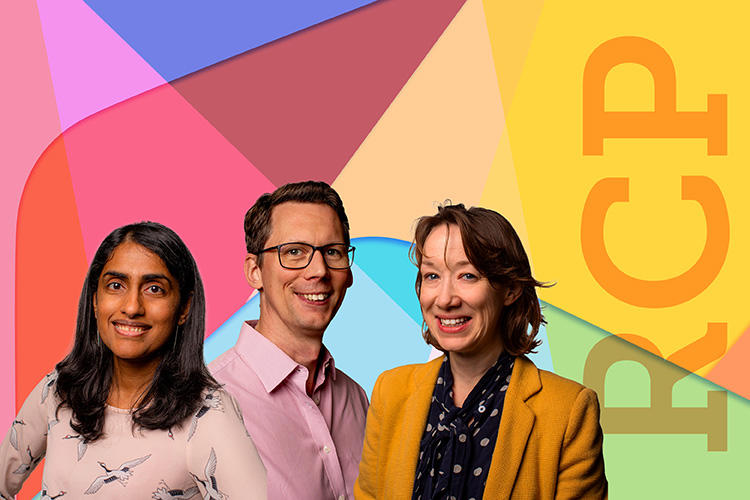





Women remain underrepresented in senior medical leadership, despite making up the majority of the NHS workforce. As the Royal College of Physicians (RCP) marks International Women’s Day (IWD) and prepares to open applications to its Emerging Women Leaders (EWL) Programme, past and present delegates reflect on the value of representation, the barriers that persist and the leadership qualities that women bring to healthcare today.
This year’s IWD theme, ‘Give to gain’, reminds us of the importance of generosity in leadership; the sharing of time, knowledge, mentorship and visibility to support others. For many women in medicine, the day offers not only a moment to celebrate achievements but also a reminder of the progress we’ve made – and the work still required to support women to thrive as leaders in medicine.
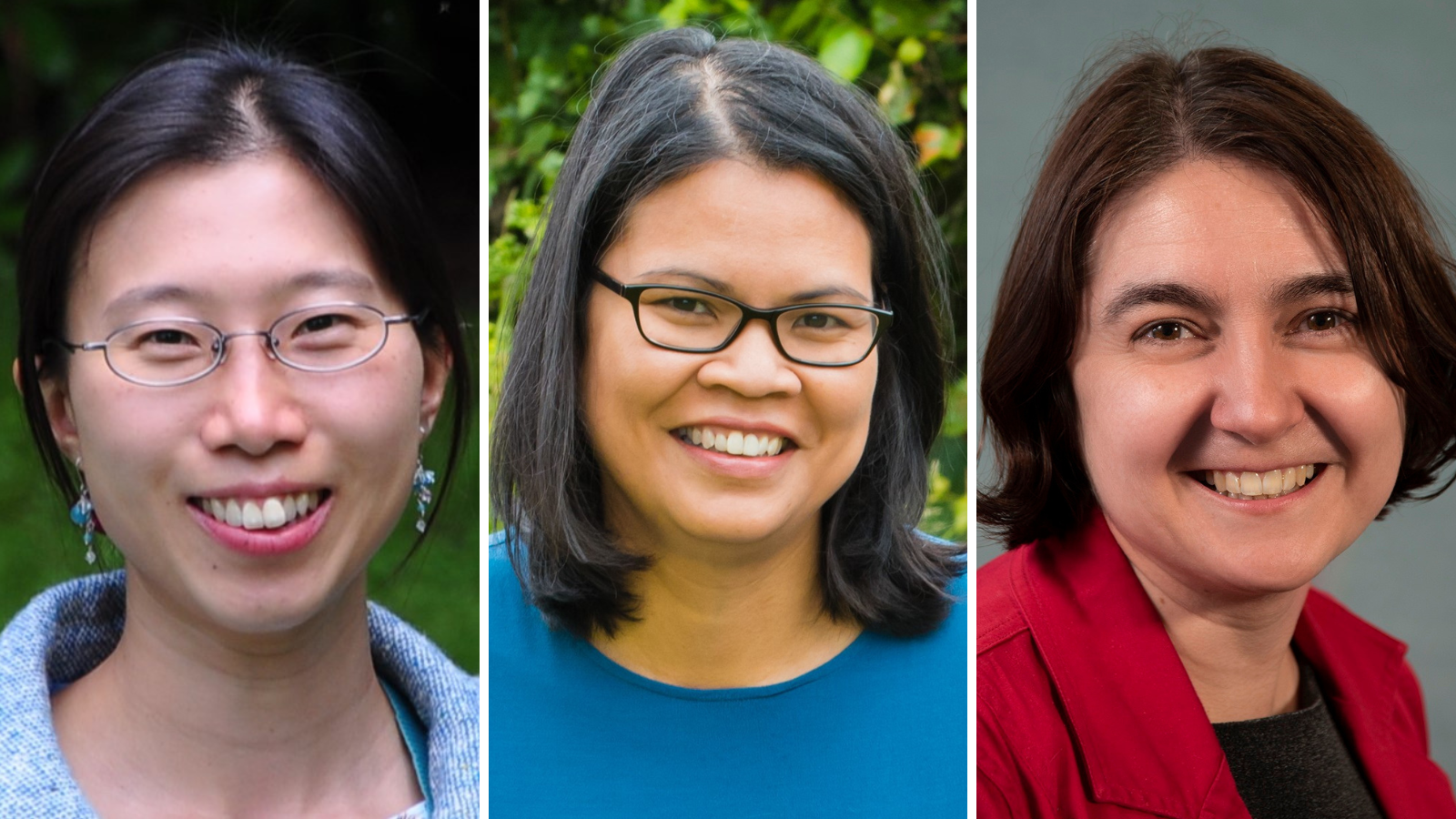
For Dr Elaine Hui, RCP censor and consultant physician in endocrinology and diabetes, ‘IWD is an opportunity to learn, to share and to appreciate women's achievements in all aspects of life.’
For Dr Syazrah Salam, metabolic bone and nephrology consultant physician, the day celebrates both diversity and resilience: ‘IWD is a celebration of women from diverse backgrounds who have made significant achievements, often despite adversity. Their stories inspire me to achieve more in life.’
And for Dr Victoria Tippett, RCP regional adviser for Mersey and consultant respiratory physician, visibility is crucial: ‘IWD is about celebrating women – we are stronger together and having the courage to be visible can make a real difference.’
The importance of representation in leadership
According to a global review published in The British Medical Journal, women make up 70% of the global healthcare workforce, yet occupy only a quarter of senior leadership roles. Representation matters because it reflects the diversity of the patient population and workforce. Diverse leadership is not only a matter of representation, but it also directly shapes patient care, staff experience and the culture of the NHS. Ensuring women are supported, visible and empowered to lead is essential for a system that seeks to reflect and serve its population.
But women in medicine continue to face assumptions that undermine their professional authority. Dr Victoria Tippett describes how routine clinical encounters can reinforce outdated ideas about what a senior doctor ‘looks like’.
During ward rounds, she explains, patients sometimes direct their questions to male resident doctors, even after she has introduced herself as the consultant leading the team. These moments, she says, can undermine the authority of women doctors and create discomfort for resident doctors who often try to redirect attention back to her. Victoria uses these encounters as reflective learning opportunities – moments to explore unconscious bias and professional identity with her team.
Misidentification also continues to affect women in clinical roles. Victoria continues: ‘Patients often assume I am a member of a different healthcare profession that is more commonly associated with women, such as a nurse. This happens despite not wearing a uniform and introducing myself as a doctor.’
Dr Syazrah Salam has also experienced gendered assumptions directly. When applying for consultant posts while working less-than-full-time and managing a chronic illness, she encountered doubts from senior colleagues. She says: ‘I faced negative perceptions about whether I could juggle work and caring responsibilities. I overcame it by reflecting on my achievements despite the challenges, and by leaning on supportive female colleagues.’
Across experiences, one message is clear: representation at senior level is essential to normalising women’s leadership and reshaping expectations across the NHS.
Visible leadership and the role of mentors
All three physicians emphasise the importance of mentors and visible role models throughout their careers.
Victoria credits female mentors with shaping her approach to leadership, showing her the power of compassionate, values‑driven leadership: ‘They lived their values and demonstrated that compassionate leadership can achieve great results.’
Elaine shares how senior women in her specialty encouraged her to step forward and take up leadership roles: ‘Mumtaz Patel, RCP president and a professor of our specialty, and many female colleagues I worked with, taught us to be brave and move out of our comfort zone when making decisions, taking up a leadership role and collaborating with others.’
Syazrah describes her women mentors as a constant guide throughout her career: ‘They help me navigate challenges, not necessarily by giving advice, but by active listening and allowing me the time and space to figure things out. By sharing their good and bad experiences as women leaders, I can learn faster and avoid some common pitfalls which are unique to women.’
Their influence reinforces how important visible role models are for women at every career stage. When women see other women leading authentically, the path to leadership feels more accessible.
The strengths women bring to leadership
Victoria notes that many women naturally lead more collaboratively and compassionately, helping to create supportive, high-performing teams. Elaine highlights qualities such as empathy and honesty, which build trust and foster open communication. And Syazrah adds that women draw on their life experiences to lead with focus, effectiveness and mindfulness – qualities that make them especially relatable to the largely female workforce.
These approaches strengthen teams, enhance communication and support a culture where staff feel heard and valued.
Understanding the barriers to progression
Victoria suggests that one factor contributing to gender disparities at senior levels is the different ways women and men often assess readiness for progression. ‘Women will usually want to be 110% sure they are capable of a role before applying, whereas their male colleagues will often apply earlier, assuming they can learn the bits they don't yet know on the job’, she says.
This hesitancy can shape career trajectories long before formal leadership positions arise and highlights the need for organisational cultures that support women to pursue opportunities even when they do not meet every criterion.
Elaine agrees that self-doubt continues to influence the pace of women’s progression: ‘Women may be more conscientious or doubtful of their own abilities and may not go for those roles. That’s why great mentors and role models are so important.’ Despite positive progress, she adds: ‘There is still a glass ceiling, especially in senior leadership roles.’
For Syazrah, systemic pressures also play a role: ‘Women are still the predominant caregivers and more likely to work less-than-full time. The leadership pathway can feel ‘all or nothing’. We need a culture that makes entry into leadership less daunting.’ Expanding leadership opportunities, she says, creates a wider pool of early-career women leaders who can support one another and pave the way for future generations.
Growing through the Emerging Women Leaders Programme
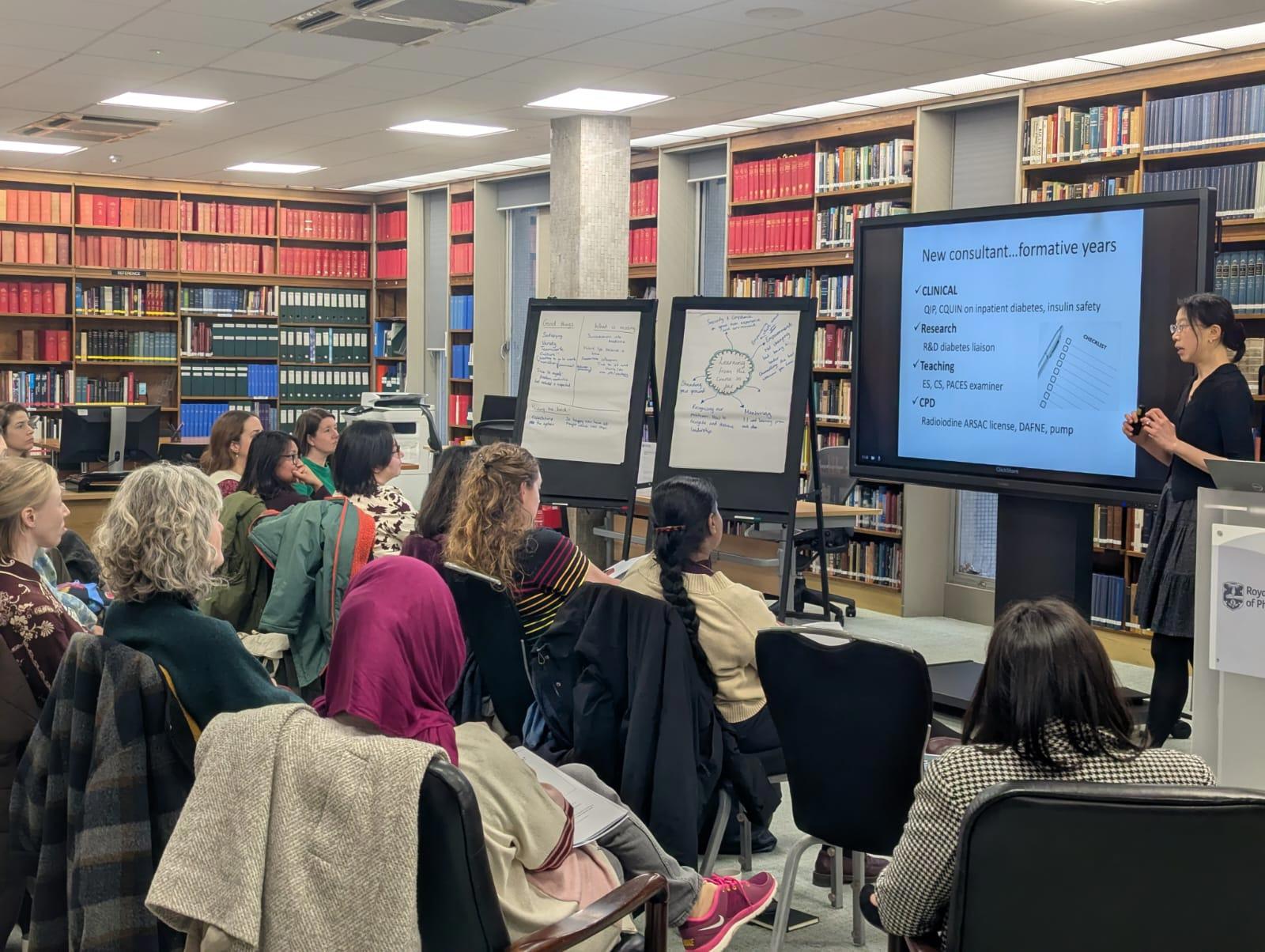
Leadership programmes and networks play a vital role in building confidence and capability. The Emerging Women Leaders Programme is a development programme designed specifically to address the under-representation of women in medical leadership roles. All three clinicians describe the EWL Programme as a pivotal step in their leadership journeys.
‘Learning with others helped me feel less isolated and part of a community of practice. I realised the value of small actions, like simply being visible’, says Victoria, while Elaine notes: ’Sharing our experiences reminds us we are not alone. It gives us grit and strength to be good leaders.’
For Syazrah, the programme was transformational: ‘It opened my eyes to my potential. The focus on the human aspect of leadership made it feel sustainable. I’ve since taken up a clinical lead role, and this programme gave me the skills to grow.’ She adds that the programme’s speakers have reshaped her view of leadership entirely: ‘They showed that leadership can be enjoyable and fulfilling.’
The EWL Programme offers women in healthcare a year‑long, tailored leadership journey that combines mentorship from experienced clinical leaders, a supportive network of peers and senior women across the NHS, and a targeted curriculum designed to strengthen advanced leadership skills. It helps participants build confidence, recognise their existing strengths, overcome barriers, and prepare for future roles. Those who complete the programme can also gain Emerging Women Leader Accreditation, providing formal recognition of their development and valuable evidence for future applications and appraisals.
Applications for the 2026/27 cohort will open soon.
Register your interest to receive updates.
Advice to aspiring leaders
We asked each leader what advice they would give to future women leaders. Syazrah says: ‘Take that leap of faith, no one is 100% ready for that next step or challenge. Remember to build the support system around you because a leadership role can be lonely. Pick up the phone and ask a friendly colleague; you'll be surprised how readily they want to support you.’
‘Leadership takes many different forms – the leader doesn’t always have to be the loudest person in the room’, says Victoria.
And Elaine says: ‘Be good in what you do and don’t undersell yourself.’
Their leadership journeys demonstrate both the progress made and the work still ahead. By challenging assumptions, building communities of support and improving visibility, women across the NHS continue to shape a more inclusive future for the profession and the patients it serves.
Thinking of taking the next step in your career? Join our supportive community of women healthcare professionals who are learning the skills needed to lead and shape the future of the NHS.
Register your interest in the Emerging Women Leaders Programme today.