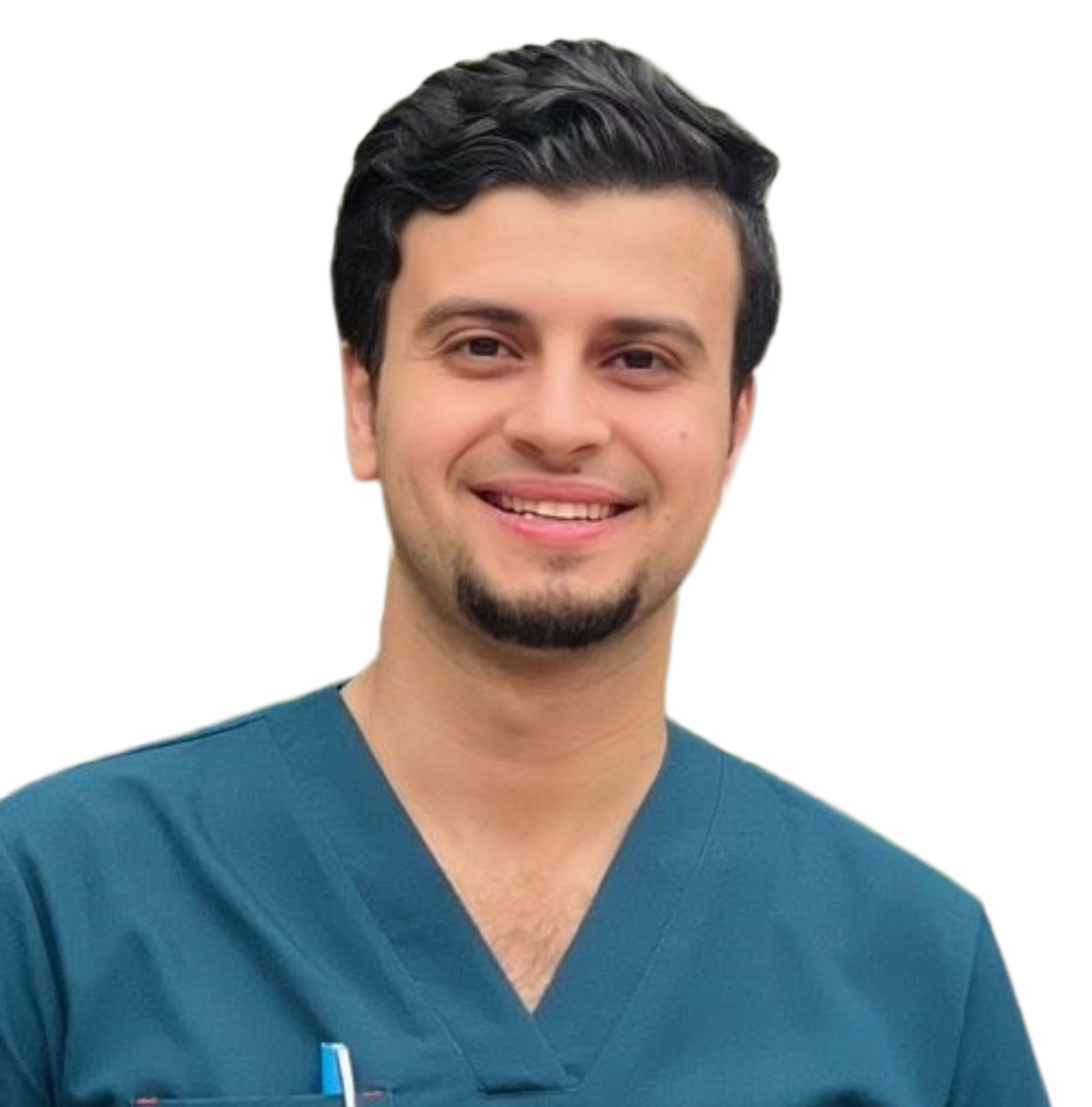

















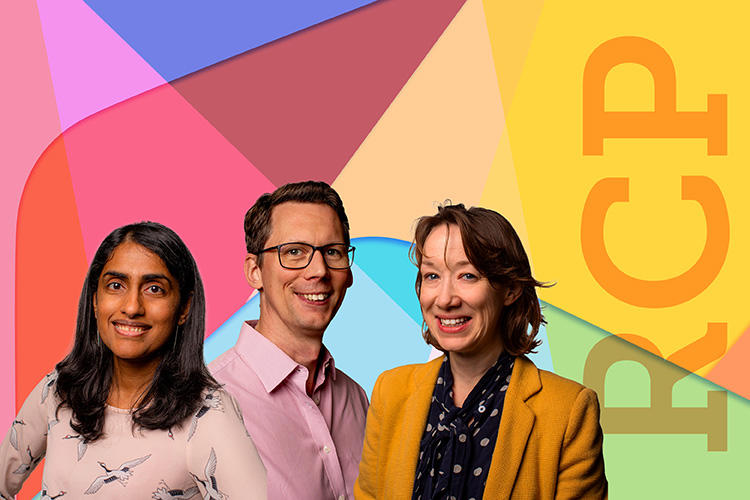





Dr Mohammed Rashwan, a Palestinian doctor from Gaza currently working in London, and Dr Aicha Bouraoui, consultant rheumatologist, share what it means to be a displaced doctor – and how mentorship is vital for navigating the NHS.
Resilient roots, healing hands: my journey from Gaza to the NHS
When I first walked into the A&E department in Gaza, I was not just beginning my clinical career – I was stepping into a war zone. Working amid constant air raids, resource shortages and overwhelming trauma cases shaped the core of my resilience. But it wasn’t until I arrived in the UK that I encountered a different kind of complexity: navigating the NHS as an international medical graduate (IMG).
Starting over
After passing the PLAB exams and registering with the GMC, I moved to the UK with a clear goal – training in internal medicine. What I didn’t anticipate was how steep the learning curve would be. Clinical practice in the UK is not only structurally different; it’s deeply shaped by systems, communication styles and professional expectations that were new to me. I often found myself unsure: How should I structure my portfolio? What makes a candidate competitive for training posts? How do I navigate NHS culture?
The turning point: mentorship
That uncertainty began to lift when I met Dr Aicha Bouraoui, a physician and mentor who understood both the challenges of being an IMG and the standards of the NHS. Her guidance was pivotal. She guided me on how to make the best use of my clinical attachment and build my portfolio. She also introduced me to research, quality improvement and clinical audits – areas that were under-represented in my prior experience. With her support, I engaged in collaborative projects and began building a CV that aligned with UK training pathways.
She also pointed me toward accessible online learning platforms like RCP e-learning resources and EdX platform, where I could deepen my clinical and academic knowledge in a structured way.

'What I didn’t anticipate was how steep the learning curve would be. Clinical practice in the UK is not only structurally different; it’s deeply shaped by systems, communication styles and professional expectations that were new to me.'
Dr Mohammed Rashwan
Junior clinical fellow in acute medicine
The role of the RCP
Support from individuals is invaluable – but institutional support is equally essential. The RCP has played a key role in making the UK medical landscape more accessible to IMGs like me.
Through educational initiatives, webinars and the ‘UK medical careers for IMGs’ programme, the RCP provides essential guidance on progression through the internal medicine training pathway. The college’s inclusive stance – through its Resident Doctor Committee and equity, diversity and inclusion approach – has helped to normalise IMG-specific challenges and offered a space for advocacy and practical advice. Access to these resources has made the NHS feel less foreign – and has helped transform confusion into clarity.
A new chapter
I recently secured a junior clinical fellow post in acute medicine at Queen’s Hospital, London. It’s a competitive environment, but one that I now feel equipped to navigate. I am currently preparing to apply for internal medicine training and view this role as the first step toward a long-term career in the NHS.
My message to fellow IMGs
To those starting this journey: it’s not easy, but it is possible. Seek mentorship. Use the resources available through the RCP and other networks. Remember that your background is not a barrier – it is a foundation of strength. The NHS thrives on diversity, and your story belongs here.
Dr Aicha Bouraoui
Content adviser for RCP Improvement
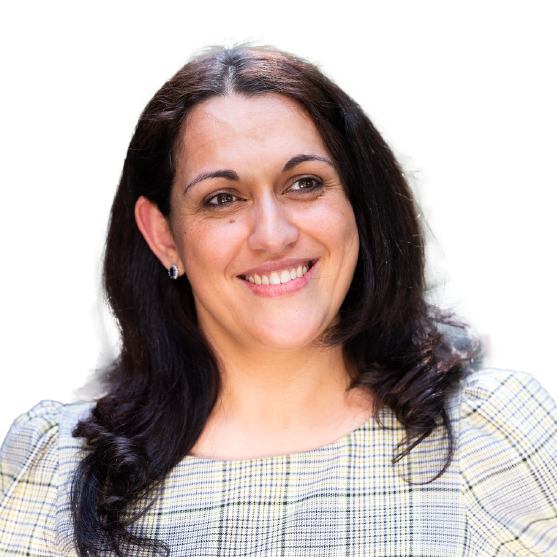
Dr Mohammed Rashwan
Junior clinical fellow in acute medicine