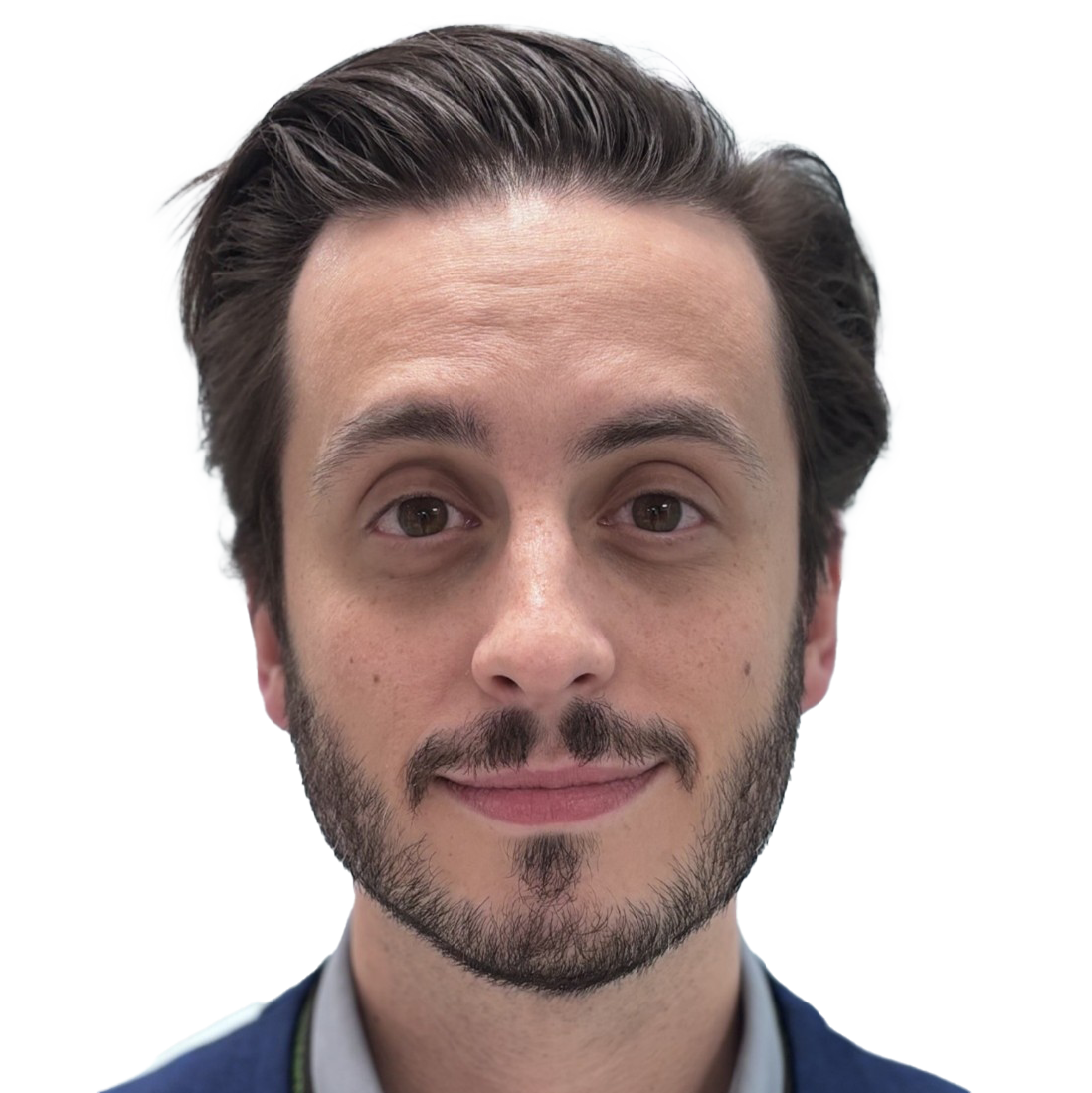

















‘Our medical SHOs have become a forgotten tribe – when it comes to their training, we need to do better,’ says Dr Zack Ferguson, a new consultant at Frimley Park Hospital, in our latest next generation blog. Zack will deliver the opening session at our 2026 Call the medical registrar conference – register your interest now.
In 2021, I was an ST4 in acute medicine, and a final-year student on the MSc in medical education, a programme designed by the Royal College of Physicians (RCP) and University College London. For my research thesis, I chose a topic that I’d been fascinated by for a long time. I set out to explore how doctors in stage 1 internal medicine training (IMT) experienced the difficult – and often needlessly mythologised – transition to become the medical registrar.
2021/22 was the first year of IMT3. Expectations were high. Literature suggests that residents on the old core medical training programme had long felt unprepared for the step up to registrar. IMT3 was meant to fix that. Did it?
Myth and reality
Ask any FY1 what they think the medical registrar does and you’ll hear a mixture of awe and fear: ‘the final bulwark against catastrophe’, ‘the fount of all knowledge’, ‘who you call when all else fails’. I’ve heard these clichés many times, and I felt the burden of that myth as a new registrar myself.
The data that I gathered revealed something more complicated – and far more interesting. As those of us who’ve held the bleep understand all too well, the medical registrar is not all knowing or all powerful. A good med reg knows who to ask, what to prioritise and how to get things done under pressure. They don’t know everything. And honestly? They don’t need to.
To become the medical registrar, doctors must first redefine their understanding of the role. What does that process look like?
Eight stages of transition
In writing my thesis, I began to see that some experiences were universal. I found that there were eight stages which all doctors go through to become the medical registrar:
- Insurmountable task: to an FY1 or FY2, the registrar role appears impossible, a standard that they could never meet. Sadly, this puts many off pursuing careers in internal medicine.
- Master of one world: by the time they reach IMT2, doctors have become capable SHOs, but are often stuck in a ward role indistinguishable from that of the FY1. They itch for more responsibility.
- Crossing the threshold: medical hierarchies are notoriously rigid. Eventually, one must leave the SHO rota and join the registrar rota. For some, this is a step willingly taken. Others are thrust across this threshold before they feel ready.
- Strange new world: the first few shifts can be profoundly disorientating for experienced doctors used to feeling adept as senior SHOs. They enter a stage of conscious incompetence, more aware of the skills that they need to develop to perform.
- Embodying the role: it only takes a few shifts for new registrars to prove to themselves that they can do this. They may not yet feel that they can excel in the role, but they can perform it adequately, and that is enough. For now.
- The first trial: it’s only a matter of time before something goes wrong. Perhaps a mistake, a conflict with another specialty or an unexpected death. At this point, doctors are vulnerable. Good, non-judgemental supervision is vital at this critical moment.
- Master of two worlds: as time progresses, registrars come to understand that they have only so much control over how well – or badly – things go. Once they come to terms with this, they can find their own style and begin to enjoy the autonomy afforded to them.
- Freedom to learn: ultimately, doctors realise that the registrar role is not the destination. There is no end point. Learning is a lifelong process that will span their whole career.
What this means for training
Educational models are nice. But they only matter if they have real-world benefits. And the message from this study (now 3 years old, but still very relevant) is clear: our IMT doctors don’t feel that we’re doing enough to prepare them for life as the medical registrar.
I often get asked whether simulation is the answer. I’m not convinced that it is. Simulation can provide concrete experiences for doctors to reflect on and learn from. But new medical registrars are having experiences all the time. What they lack is structured feedback, and the psychological safety to reflect on and learn from their mistakes.
The most important training takes place on the shop floor, where doctors learn to manage uncertainty, prioritise risk and make safe decisions with incomplete information.
Questions that we should be asking ourselves:
- Is IMY3 truly a transition period or just extra service provision?
- Are we giving residents meaningful opportunities to practise decision-making?
- Are we encouraging reflection or leaving people to process mistakes alone?
- And the big one: how do we make training fit for purpose in the age of corridor medicine?
All too often, IMT doctors spend their days watching consultants make decisions, their input relegated to the administrative tasks that they mastered in FY1. On nights, meanwhile, they find themselves thrust into a world without supervision, expected to make decisions without oversight or meaningful feedback.
The registrars I interviewed had spent depressingly little time in the Goldilocks range that Lev Vygotsky called the ‘zone of proximal development’. It was rare for IMT doctors to be stretched or pushed to do more in hours, with feedback and reflection even rarer.
IMT doctors don’t need more supervision, they need better supervision. Because when something does go wrong – that first trial I discussed earlier – the difference between a supportive supervisor and a dismissive one can shape someone’s entire career trajectory.
What needs to change?
This research project highlighted several things that we can do better for our lost tribe:
- Create protected spaces for reflection: registrar offices, near-peer groups and drop-in debrief sessions can all encourage this.
- Build scaffolded decision-making into daytime work: reverse ward rounds, graded autonomy, and opportunities to ‘act up’ with support are all crucial.
- Don’t let clinical pressures push training off the agenda: if the consultant makes every diagnosis and creates every plan, the patient is safe, but the resident doctor is stagnant.
- Integrate decision-making training into day-to-day practice: every resident clerking should include an impression and a plan, with feedback provided when the patient is post-take.
- Prepare for the first trial: IMT doctors should know who to turn to in a time of crisis and have access to non-judgemental supervision to turn their first trial into a learning event.
Teaching is anything that facilitates learning. The best teaching isn’t the lectures that we give or the simulations that we run. It’s the opportunities that we provide for resident doctors to engage in meaningful independent practice and the support that we give them when something goes wrong.
Being the medical registrar was a real adventure. I had some bad days. I had some great days. Both were better when my bosses had my back.
- Register your interest for our popular Call the medical registrar 2026 conference
- Follow Zack on Instagram @drzackferguson and on X @zackferguson
Dr Zack Ferguson
New consultant at Frimley Park Hospital, Surrey