


























Dr Pippa Medcalf, a consultant in acute medicine in Gloucester Hospital, explains why homeless patients face some of the greatest barriers to healthcare – while Amin Islam, deputy manager at a GP surgery in East London, illustrates these challenges. He shares his experience supporting patients with complex needs across primary and secondary care.
Homelessness remains one of the starkest drivers of health inequality. People without stable housing often struggle to access services, fall through gaps in care and experience worse health outcomes than the general population.
Pippa explains: ‘Homeless people are sick, vulnerable and in need of help. They are heavily dependent on GP practices and homeless health clinics for their multiple, complex health needs, as there is poor support from hospitals, drug and alcohol services, and mental health services.’
Homelessness and healthcare
The consequences of a fragmented and often inaccessible system are stark. Amin often sees the effects of poverty and social exclusion on a person's health and access to care, particularly people who are homeless or seeking refuge:
‘We see individuals whose physical and mental health have been deteriorating long before they ever make it through our doors, often because the systems designed to help them are either inaccessible or simply not built with their complex needs in mind.
‘Being homeless exposes individuals to harsh environmental conditions, violence and isolation, all of which directly affect health outcomes. At the same time, ill health (particularly mental illness or substance dependence) can lead to losing one’s job, relationships and housing.’
The impact of stigma
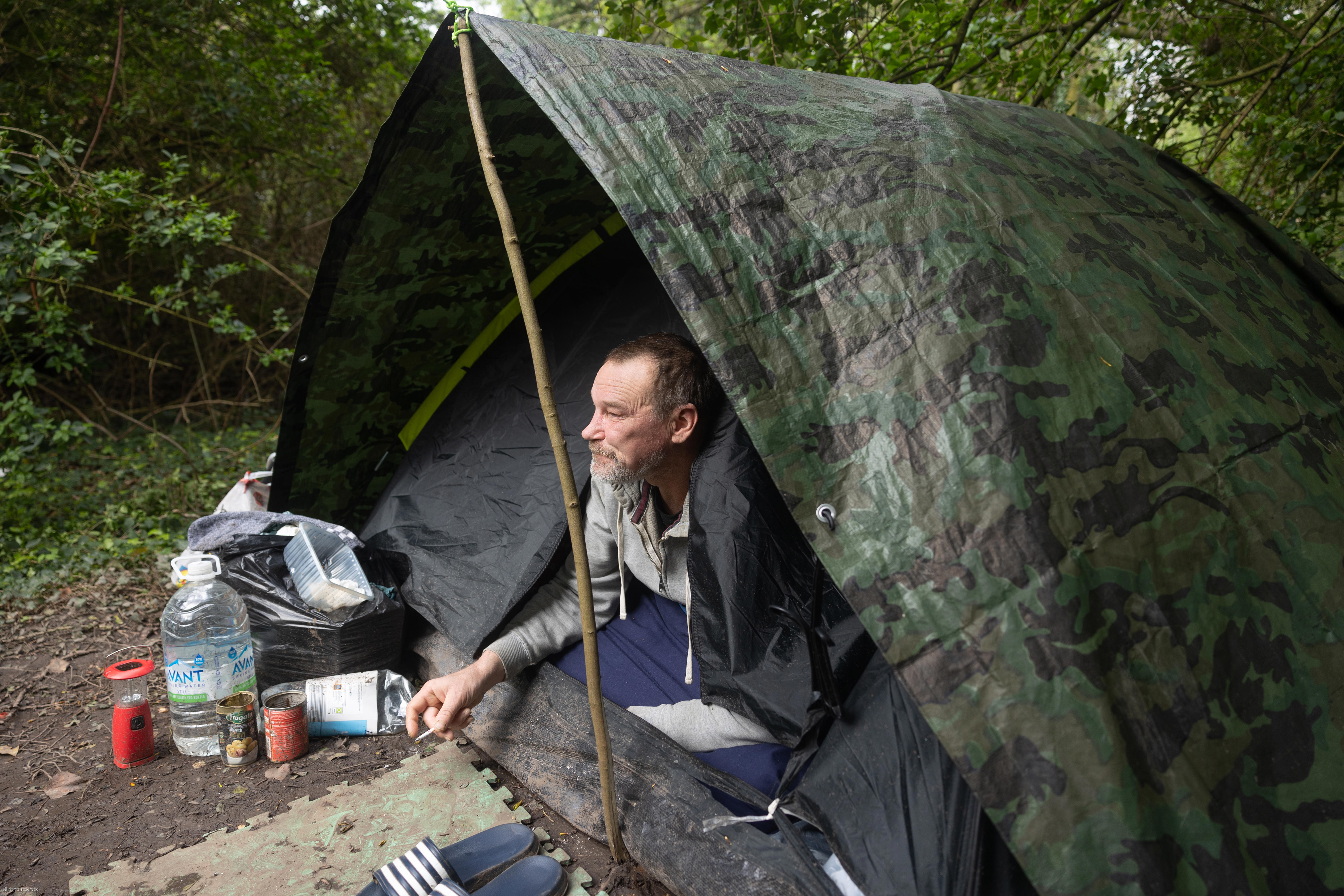
Among the homeless patients that Amin's surgery supports, many have untreated chronic conditions and experience harms from high levels of substance misuse, deteriorating mental health and trauma. Chronic conditions such as diabetes that require regular medical intervention can easily become unmanageable and result in emergency hospital admissions.
One patient who had been sleeping rough for years was struggling with unmanaged diabetes and severe foot ulcers. They had been avoiding primary care services due to past negative experiences and mistrust, which eventually led to hospital admission and possible amputation.
‘Many individuals in this situation face stigma and find it difficult to form meaningful connections with services. They need a greater degree of empathy and compassion. If they’re treated as just a number, they tend to disengage from services,’ says Amin.
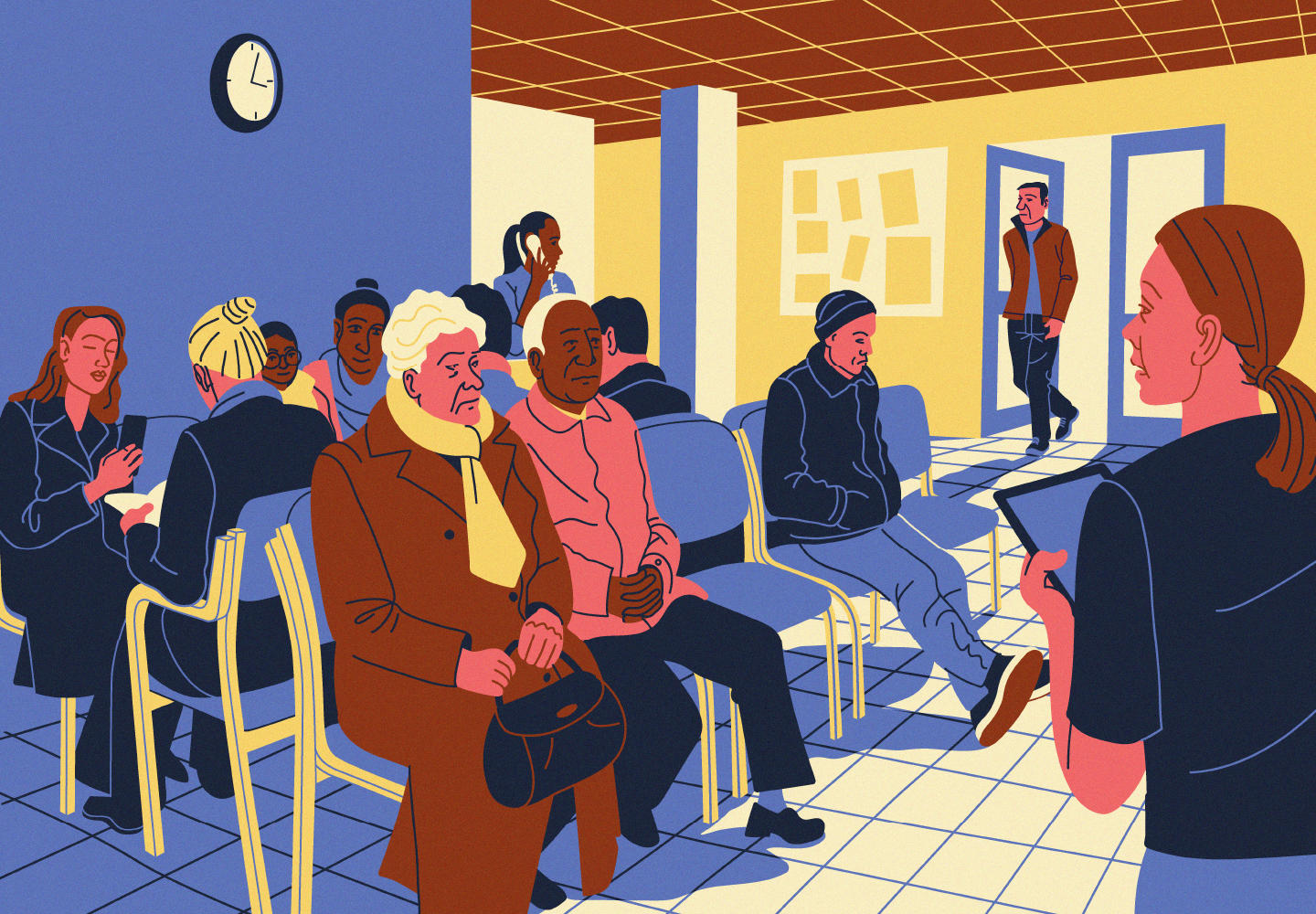
Image: Mike Stonelake at NB Illustrations
Contact and discharges
But it's not only stigma that prevents people experiencing homelessness from accessing healthcare. The unstable nature of being homeless can make it difficult to attend appointments on time or at all. Not having a physical address or digital device makes it impossible to receive appointment letters or reminders. Amin explains that people miss out on care due to frequently arriving late or not attending GP appointments, which often leads to them being discharged.
Since 2018, there has been a legal duty to refer anyone from hospital who is homeless (or at risk of homelessness in the next 56 days) to the Local Housing Authority. A referral cannot be made without the service user’s consent. This ‘duty to refer’ was introduced in the Homeless Reduction Act of 2017.
Pippa says: ‘It was reported last year that in 2022/23, over 4,000 homeless people were discharged from the hospital “to no fixed abode”. It does not make any medical or economic sense. We should not send people back to the very problem that precipitated their admission. These discharges drive up readmissions, self-discharges, poor compliance and premature death.
‘Hospitals can and must do so much more before discharging homeless people back to the streets to give them the best chance of survival before handing back to community care.’
How physicians can support homeless patients
Pippa advises practical steps for physicians on how to care for homeless patients and to take to identify their needs and ensure that there is aftercare in place, following government and NICE guidance:
- All healthcare workers should show compassion, empathy and kindness to engage with sick homeless people.
- Identify the homeless by asking one simple question: ‘Do you have somewhere safe to go when you leave here?’.
- Make a phone call or send an email to the Local Housing Authority to refer the patient.
- Ensure that every trust fights for a specialist housing officer or nurse who will make all appropriate referrals.
- Review data on admissions and readmissions of the homeless to empower the appointment of a local expert.

Dr Chris Sargeant, the medical director of the Faculty of Homeless and Inclusion Health, shared guidance and resources to help patients who are homeless in the RCP Commentary magazine earlier this year.
More often than not, people experiencing homelessness will have a range of health issues and will require the help of multiple services outside of hospital, including mental health support and addiction services. Timely care that joins these services is vital to keeping these patients in the system and breaking the cycle.
At Amin’s surgery, his team has found that providing holistic, trauma-informed care in a setting that is accessible and non-judgemental is key. This could be as small as offering food, clean clothes, or a safe and warm place to sit. It’s been crucial to building trust and encouraging patients to engage with their services.
The surgery also hosts events as a way to encourage engagement and build rapport. Amin says these gestures offer a sense of hope and show that someone genuinely cares.
Healthcare’s role in tackling homelessness
As the RCP continues to call for a cross-government strategy to reduce health inequalities – spanning housing, education, employment, transport – it is clear that health services cannot solve this issue alone. But the health service does have a key role in ensuring that no patient is discharged back onto the streets without care.
In Pippa’s words: ‘Welcoming people experiencing homelessness to hospital, treating them well, and giving them all the support needed will go a long way to helping them recover and survive. No one chooses homelessness or addiction; it is our job to treat patients.’
If you’re a clinician, patient, or work in the NHS and have experienced or witnessed health inequalities, please get in touch to share your story and help us shed light on this issue by emailing comms@rcp.ac.uk.
